

WeVote

Bill

Bill

HR 7128

TRIA Program Reauthorization Act of 2026

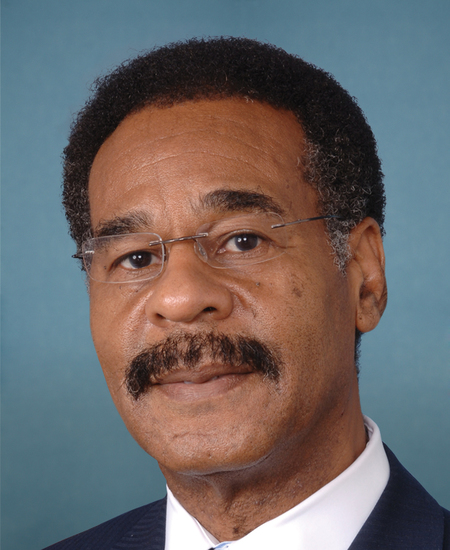
119th Congress Introduced by Emanuel Cleaver and 4 co-sponsors

HR 7128 extends federal backstop for terrorism insurance losses, maintaining private-public risk sharing to preserve commercial insurance availability.

Motion to reconsider laid on the table Agreed to without objection.
1
WeVote Research Nonpartisan
Bill Summary · HR 7128

Legislative bill overview

HR 7128 reauthorizes the Terrorism Risk Insurance Act (TRIA) program, which provides a federal backstop for insurance claims related to certified terrorist attacks. The bill extends the current framework that shares terrorism insurance losses between private insurers and the federal government, preventing insurers from denying coverage or withdrawing from markets during terrorism-related uncertainty.

Why is this important

TRIA has been critical since 9/11 in maintaining a functioning commercial insurance market, as private insurers alone cannot absorb potentially catastrophic terrorism-related losses. Without reauthorization, the program expires, which could lead to insurers refusing to cover terrorism risks, making it difficult for businesses (especially in high-risk areas) to obtain necessary property and casualty insurance.

Potential points of contention

  • Federal liability exposure: Reauthorization extends taxpayer risk for covering terrorism-related losses, with ongoing debate about whether the federal government should shoulder this burden indefinitely
  • Program parameters: Disagreement likely exists over the deductible thresholds, co-insurance percentages, and aggregate caps that determine when federal coverage kicks in and how losses are shared
  • Market distortion concerns: Some argue TRIA prevents market pricing of terrorism risk accurately, potentially subsidizing insurance in high-risk areas and affecting where businesses locate

Compiled from official sources — confirm details with the bill’s official record.

Sign in to ask a question.