

WeVote

Bill

Bill

HB 5749

TREY'S LAW-NONDISCLOSURE

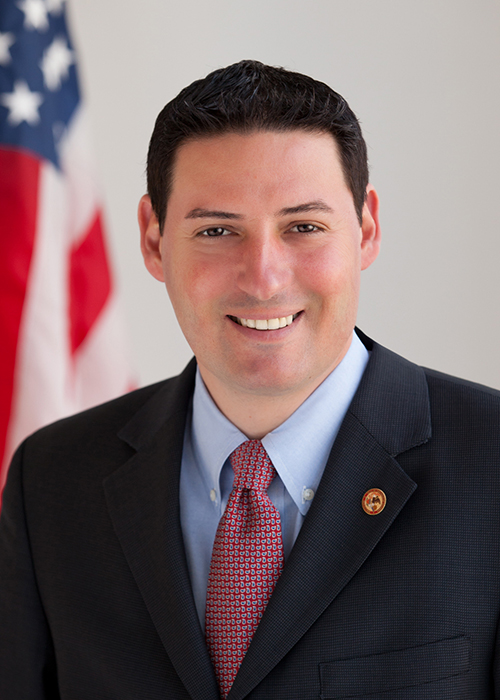
104th Regular Session Introduced by John Cabello

Nondisclosure clauses cannot bar reporting or discussion of childhood sexual abuse; settlements may still keep other terms confidential.

Referred to Rules Committee
0
WeVote Research Nonpartisan
Bill Summary · HB 5749

Summary of HB5749 (104th Illinois General Assembly) – Trey's Law: Invalidity of Certain Nondisclosure Clauses Act

Purpose and intent

  • Purpose: To prohibit nondisclosure clauses in settlement agreements from restricting survivors of childhood sexual abuse from reporting the abuse or discussing related information.
  • Intent behind the bill: Reforms civil settlement practices to prevent the suppression of evidence and to protect victims, emphasizing public policy in favor of reporting and transparency.

Key provisions and changes

  • Nondisclosure clauses void to the extent they cover sexual abuse reporting

    • A nondisclosure clause in a settlement agreement is void and unenforceable if it prohibits an individual from disclosing to others or reporting to law enforcement any act of sexual abuse or facts related to such abuse that occurred before the individual reached age 18.
  • Permissible confidentiality in settlements

    • The bill expressly states that nothing in the act prohibits a party from agreeing to keep confidential any other provision of the settlement, including the amount paid or payment terms.
  • Scope and definitions

    • Applies to any settlement agreement resolving a dispute or claim that arose before the agreement was executed (covers pre-existing claims, present, or future terms of those settlements).
    • "Nondisclosure clause" defined as a provision prohibiting disclosure of conduct or information covered by the settlement.
    • "Settlement agreement" defined as an agreement to resolve a dispute or legal claim between individuals or entities.
    • "Sexual abuse" includes offenses listed under Illinois criminal law (and equivalents from prior/alternate Codes) such as:
    • Criminal sexual assault (11-1.20)
    • Aggravated criminal sexual assault (11-1.30)
    • Predatory criminal sexual assault of a child (11-1.40)
    • Criminal sexual abuse (11-1.50)
    • Aggravated criminal sexual abuse (11-1.60)
    • Promoting commercial sexual exploitation of a child (11-14.4)
    • Public indecency (11-30)
  • Effective date and application

    • Applies to settlement agreements entered into before, on, or after the act’s effective date, meaning retroactive or prospective application to ensure broad coverage.

Who/what is affected

  • Parties in settlement agreements involving childhood sexual abuse claims, including survivors and responding parties (individuals or entities) who enter into settlements.
  • Enforcement landscape for nondisclosure clauses: Courts would treat such clauses as void to the extent they attempt to silence reporting or disclosure of abuse to authorities or others.
  • Potential reporting and investigations: The bill is oriented toward increasing reporting to law enforcement and public discussion of abuse, potentially impacting pending investigations and future cases.

Procedural and timeline aspects

  • Status and process:
    • Introduced April 22, 2026 by Rep. John M. Cabello.
    • Referred to Rules Committee (as of introduction).
  • Name and citation:
    • Short title: Invalidity of Certain Nondisclosure Clauses Act; commonly referred to as Trey's Law.
  • Effective scope:
    • The act is broad in applying to all relevant settlement agreements, regardless of timing relative to the act’s date.

Practical implications

  • Survivors and advocates may gain greater ability to report abuses without fear of breach of settlement terms.
  • Settlement negotiations may shift, with confidentiality still possible for non-abuse terms (e.g., payment amounts).
  • Parties engaging in settlements of childhood sexual abuse claims should consider revising NDAs to ensure compliance with Trey's Law, and anticipate potential disclosure obligations in applicable jurisdictions.

If you’d like, I can provide a side-by-side comparison with current Illinois nondisclosure norms or an abbreviated one-page briefing for policymakers.

Compiled from official sources — confirm details with the bill’s official record.

Sign in to ask a question.