

WeVote

Bill

Bill

HB 3462

Tree removal at state expense

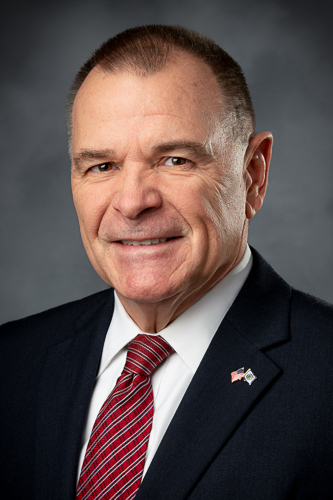
2025 Regular Session Introduced by Bill Ridenour

DFPR must base licenses on job-related risk, consider rehabilitation factors, and give clear denial reasons, limiting vague moral-character use.

To House Energy and Public Works
0
WeVote Research Nonpartisan
Bill Summary · HB 3462

HB 3462 — DFPR — Criminal Convictions (Introduced Feb 27, 2025)

Summary: HB 3462 amends the Department of Professional Regulation Law (Civil Administrative Code of Illinois) to change how the Department of Financial and Professional Regulation (DFPR) evaluates applicants with criminal records, to increase transparency in denial decisions, and to limit use of vague moral-character standards. The bill also makes targeted changes to the Barber, Cosmetology, Esthetics, Hair Braiding, and Nail Technology Act concerning applicants who are incarcerated.

Main purpose

  • Shift DFPR’s focus from a broad “good moral character” standard toward a job‑related, safety‑based determination of whether a prior conviction is “directly related” to the applicant’s ability to safely perform the duties of the licensed position.
  • Require DFPR to consider specified mitigating and rehabilitative factors and to provide clearer, more detailed written denial notices.
  • Prohibit use of vague disqualifying language (e.g., “good moral character,” “moral turpitude,” “character and fitness”) when deciding licensure eligibility based on criminal records.
  • Ensure incarcerated applicants are not automatically delayed or denied and permit supervised practice while incarcerated to count toward licensing qualifications (as amended in relevant cosmetology/barber statutes).

Key provisions

  • Defines “directly related” as when the employment position offers the opportunity for the same or similar offense and the circumstances are likely to recur.
  • Lists mitigating/rehabilitative factors DFPR must consider, including (examples provided in the bill):
    • Lack of direct relation between offense and job duties;
    • Time thresholds (e.g., 5 years since a felony conviction or 3 years since release from confinement, whichever is later, without subsequent conviction);
    • Prior licensure/employment without related misconduct;
    • Age at time of offense;
    • Progress reports from probation/parole, successful completion of supervision;
    • Present fitness, employment history, certificates of good conduct or relief from disabilities (Unified Code §§ 5‑5.5‑25 and 5‑5.5‑10);
    • Any other mitigating evidence of rehabilitation.
  • Additional list of factors to evaluate “direct relation”: time since conviction, number of convictions, severity and nature, facts/circumstances, applicant’s age at time of offense, and rehabilitative evidence.
  • When DFPR denies licensure based in whole or part on convictions, the written denial must include:
    • Explanation of how conviction is directly related to and would prevent safe performance of duties;
    • A list of convictions DFPR determined impair ability to perform the position;
    • Which convictions were the sole or partial basis for denial;
    • Appeal process summary and earliest date applicant may reapply.
  • DFPR must post on its website state licensing restrictions that would prohibit an applicant from working in the position sought.
  • Exceptions remain where other statutes explicitly bar licensure (e.g., Section 2105‑165 re: certain health care worker offenses or other licensing Acts with enumerated bars).
  • Barber/Cosmetology amendment: no application shall automatically be placed on hold, delayed, denied, or otherwise not processed solely because it was submitted by an incarcerated person; supervised practice while incarcerated can count toward licensing qualifications.

Who is affected

  • Applicants for licenses, certificates, and registrations administered by DFPR — including those with prior criminal convictions and applicants who are incarcerated.
  • DFPR (administrative procedures and workload).
  • Health care-related licensees remain subject to statutory exceptions where certain offenses are explicit bars.

Procedural status (selected)

  • Introduced by Rep. Carol Ammons on 2/18/2025 (filed 2/27/2025).
  • Passed the House (3rd reading 5/10/2025; roll call recorded).
  • Transmitted to Senate (arrived 4/9/2025); Chief Senate sponsor Sen. Christopher Belt.
  • As of 6/2/2025: Rule 3‑9(a) — Re‑referred to Assignments (pending further Senate committee/assignment action).

Potential impacts

  • Increases transparency and specificity in licensing denials tied to criminal records.
  • Encourages consideration of rehabilitation and reduces reliance on vague moral‑character standards, likely expanding access for some applicants with criminal histories.
  • May increase DFPR’s case‑analysis workload (documenting rationale, posting lists, evaluating mitigating evidence).
  • Retains statutory exceptions where the law explicitly bars licensure for enumerated offenses (notably some health‑care roles).

For full statutory language, see amendments to 20 ILCS 2105/2105‑131 and 2105‑135 and related changes noted in the bill text.

Compiled from official sources — confirm details with the bill’s official record.

Sign in to ask a question.