

WeVote

Bill

Bill

S 966

Traveler's Gun Rights Act

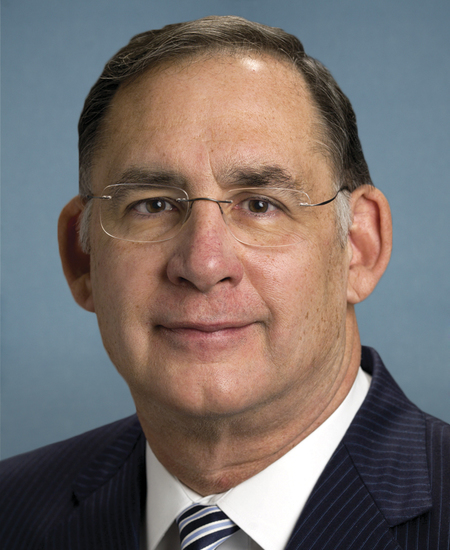
119th Congress Introduced by John Boozman and 11 co-sponsors

Bill S 966 establishes a non-traditional hours model, enhancing access to essential services for families with non-standard work schedules, benefiting children and parents alike.

Introduced in Senate
0
WeVote Research Nonpartisan
Bill Summary · S 966

Summary of Bill S 966: Establishment of a Non-Traditional Hours Model

Bill Overview

  • Bill Number: S 966
  • Title: Relates to the establishment of a non-traditional hours model
  • Status: Referred to Children and Families
  • Introduced On: January 08, 2025
  • Classification: Bill

Purpose and Intent

Bill S 966 aims to establish a non-traditional hours model that seeks to enhance the accessibility and flexibility of services for families and children. The intent is to accommodate the varying schedules of families, particularly those with non-standard work hours, thereby improving access to essential services and support systems.

Key Provisions

While the specific provisions of the bill are not detailed in the provided information, the following are anticipated based on the title and intent:

  • Flexible Service Hours: The bill may propose guidelines for service providers to offer services outside of traditional hours, including evenings and weekends.
  • Support for Families: It is likely to include measures that support families in accessing childcare, educational programs, and other essential services during non-traditional hours.
  • Collaboration with Stakeholders: The bill may encourage collaboration between state agencies, service providers, and community organizations to implement the non-traditional hours model effectively.

Impact

The establishment of a non-traditional hours model is expected to impact various stakeholders, including:

  • Families: Parents and guardians who work non-traditional hours will benefit from increased access to services that align with their schedules.
  • Service Providers: Organizations that provide childcare, educational, and family support services may need to adapt their operational hours and practices to comply with the new model.
  • Children: Improved access to services can lead to better developmental outcomes for children, as families will have more opportunities to engage with educational and recreational programs.

Procedural Aspects

  • Legislative Action: As of January 8, 2025, the bill has been referred to the Children and Families Committee for further consideration. This referral is a critical step in the legislative process, as it will determine the bill's progression through the legislative body.

Related Bills

  • S 8964: A related bill from a prior session that may provide context or background for the current proposal.
  • A 4534: A companion bill that may address similar issues or provide complementary provisions in the Assembly.

Conclusion

Bill S 966 represents a significant step towards accommodating the needs of families with non-traditional work schedules. By establishing a non-traditional hours model, the bill aims to enhance access to vital services, ultimately supporting the well-being of children and families in the community. Further discussions and evaluations by the Children and Families Committee will be essential in shaping the final form of this legislation.

Compiled from official sources — confirm details with the bill’s official record.

Sign in to ask a question.