

WeVote

Bill

Bill

AB 2307

Transportation: traffic signal synchronization pilot program: Western Riverside Council of Governments.

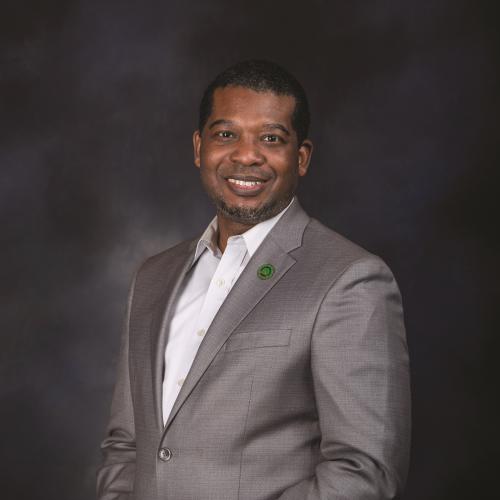
2025-2026 Regular Session Introduced by Corey Jackson and 3 co-sponsors

California establishes a traffic signal synchronization pilot program to test coordinated timing systems reducing congestion and emissions across participating municipalities.

From committee: Do pass and re-refer to Com. on APPR. with recommendation: To Consent Calendar. (Ayes 13. Noes 0.) (June 23). Re-referred to Com. on APPR.
0
WeVote Research Nonpartisan
Bill Summary · AB 2307

Legislative bill overview

AB 2307 establishes a pilot program in California to improve traffic signal synchronization across municipalities. The bill authorizes funding and coordination mechanisms for cities to test coordinated traffic signal timing to reduce congestion and improve traffic flow. The program would gather data on effectiveness before potential statewide implementation.

Why is this important

Traffic signal synchronization can significantly reduce vehicle idle time, emissions, and commute times in congested areas—particularly in regions with interconnected road networks. Effective synchronization also improves emergency vehicle response times and reduces fuel consumption, generating both environmental and economic benefits. Pilot programs provide crucial evidence about which approaches work best in different urban contexts before larger investments.

Potential points of contention

  • Cost and funding source: The bill's fiscal impact and whether participating municipalities must provide matching funds or if the state bears full costs
  • Technical standards: Disagreement over whose standards govern synchronization (state vs. local), potentially creating implementation complexity
  • Geographic selection: How pilot cities will be chosen—risk of favoring well-resourced areas over underserved communities needing traffic improvements most

Compiled from official sources — confirm details with the bill’s official record.

Sign in to ask a question.