

WeVote

Bill

Bill

S 5109

Training Rural Law Enforcement Officers Act of 2026

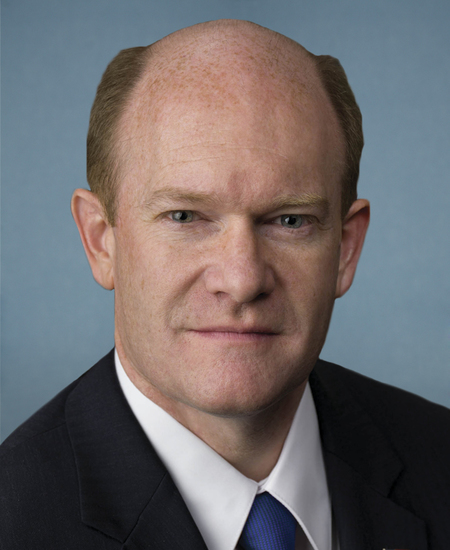
119th Congress Introduced by Chris Coons and 1 co-sponsor

Congress-DOJ bill would fund accredited nonprofits to provide free, evidence-based training (de-escalation, wellness, leadership, domestic violence, critical incidents) to small ru

Introduced in Senate
0
WeVote Research Nonpartisan
Bill Summary · S 5109

Overview

  • bill: S.5109, Training Rural Law Enforcement Officers Act of 2026
  • Sponsor(s): Sen. James Lankford (primary) and Sen. Chris Coons (co-sponsor)
  • Purpose: Authorize the Department of Justice to provide grant funding to accredited nonprofit organizations to expand access to training for law enforcement officers in rural and smaller communities, at no cost to the local agencies.

Main Purpose and Intent

  • Address the gap in training opportunities for state and local law enforcement agencies with small staffs (fewer than 50 sworn officers), particularly in rural and smaller communities.
  • Reduce administrative and logistical barriers to federal funding for these agencies by channeling grants through accredited nonprofit organizations with expertise in law enforcement training.

Key Provisions and Changes

  • Definitions:
    • Accredited nonprofit organization: A nonprofit with relevant law enforcement training expertise and a proven track record in delivering training.
    • Law enforcement training grant: A grant under the Omnibus Crime Control and Safe Streets Act of 1968 (42 U.S.C. 10101 et seq.) for law enforcement training.
  • Eligibility and Funding (Section 2(c)):
    • Accredited nonprofit organizations or State government entities may receive law enforcement training grants.
    • Grants provided for the purpose of delivering training to State and local law enforcement agencies with fewer than 50 sworn officers.
    • Training funded under these grants is provided at no cost to the receiving agency.
  • Eligible Training Activities (Section 2(d)):
    • De-escalation training (certified programs)
    • Officer wellness programs
    • Leadership training
    • Victim-centered training for handling domestic violence
    • Critical incident response and management
    • Evidence-based safety training for:
    • Active shooter situations
    • Safe handling of illicit drugs and precursors
    • Rescue situations
    • Recognizing and countering ambush attacks
    • Calls involving:
      • Mental health needs
      • Substance use disorders
      • Veterans
      • Disabilities
      • Vulnerable youth
      • Domestic violence, sexual assault, or trafficking victims
      • Homelessness or poverty
    • Specialized training to enhance conflict resolution, mediation, problem solving, and community partnership
  • Administrative Amendment (Section 2(e)):
    • Amends Section 501(b) of the Omnibus Crime Control and Safe Streets Act to permit pooling of grants.
    • Two or more localities receiving grants may pool all or part of those grants to contract with an accredited nonprofit organization for training of the pooled localities.

Who Would Be Affected

  • Primary Beneficiaries:
    • Rural and small municipal law enforcement agencies (fewer than 50 sworn officers) that would receive no-cost training funded by DOJ grants.
  • Implementers:
    • Accredited nonprofit organizations with demonstrated expertise in law enforcement training.
    • State government entities eligible to administer or partner on these grants.
  • Indirect Impacts:
    • Improved officer training in de-escalation, wellness, leadership, domestic-violence responses, and critical incident management.
    • Enhanced coordination among small jurisdictions through pooled grant arrangements.

Procedural and Timeline Considerations

  • Legislative Status: Introduced in the Senate on July 23, 2026; referred to the Senate Judiciary Committee.
  • Funding Mechanism: Grants would be awarded under the Omnibus Crime Control and Safe Streets Act of 1968, administered by the Department of Justice's Office/Attorney General, with no cost to local agencies.
  • Administration:
    • Accreditation and oversight would be handled by the Attorney General to determine eligible nonprofit organizations.
    • Affected localities can pool grants to contract with accredited nonprofits for training, potentially enabling shared training resources across jurisdictions.

Potential Impacts and Considerations

  • Access to Training: Streamlines access to federal training resources for small agencies by leveraging nonprofit providers and reducing the administrative burden on individual small agencies.
  • Cost Savings: Training to recipient agencies is provided at no cost, addressing budget constraints common in rural departments.
  • Quality and Consistency: Use of accredited nonprofits and certified programs aims to ensure standardized, evidence-based training.
  • Scope of Training: Emphasizes modern, critical areas such as de-escalation, mental health considerations, and community partnerships, aligned with contemporary policing needs.
  • Funding Flexibility: Pooling provision allows multiple jurisdictions to jointly procure training, potentially achieving economies of scale.

If you’d like, I can add a quick comparison to similar DOJ training programs or provide a one-page impact checklist for local agencies considering participating.

Compiled from official sources — confirm details with the bill’s official record.

Sign in to ask a question.