Overview
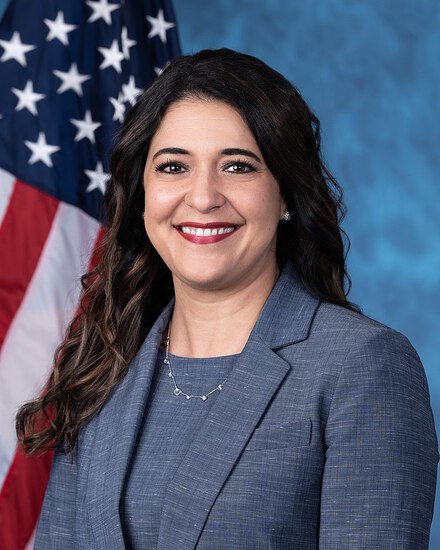
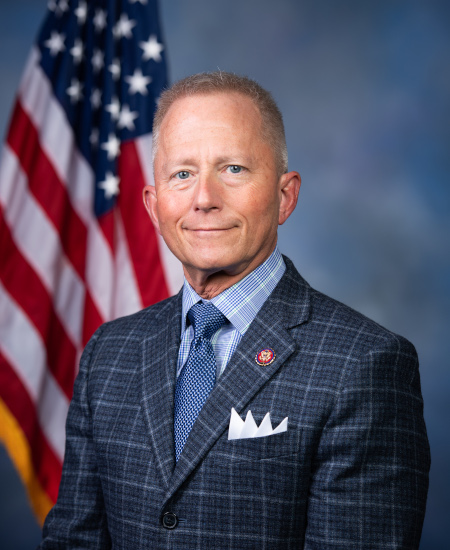
HR 8675, the Training Rural Law Enforcement Officers Act of 2026, is a proposed federal bill introduced in the 119th Congress. The measure aims to expand and standardize training opportunities for rural law enforcement personnel. The sponsors include representatives Stephanie Bice, Jeff Van Drew, and Marcy Kaptur, indicating bipartisan interest in enhancing rural policing capabilities. The bill has been referred to the House Judiciary Committee as of May 7, 2026.
Purpose and Intent
- Establish a federal framework to improve training for law enforcement officers operating in rural communities.
- Address gaps in training that may disproportionately affect rural agencies, including crisis intervention, crash and collision reconstruction, de-escalation, use-of-force policies, community policing, and contact with culturally diverse populations.
- Promote professional development and retention of rural officers by providing access to modern, standardized curricula and resources.
Key Provisions and Changes
While the official text is not included here, typical elements for this type of bill likely include:
- Creation or appropriation of funding to support rural law enforcement training programs.
- Establishment of grant programs or cooperative agreements with state and local law enforcement agencies.
- Development of standardized training curricula in partnership with federal agencies, training centers, and subject-matter experts.
- Requirements for program administration, reporting, and accountability to ensure funds are used to improve officer competency, safety, and community relations.
- Provisions to facilitate online or regional training delivery to overcome geographic barriers in rural areas.
- Potential eligibility criteria for agencies (e.g., size, rural designation, or evidence of need) and anticipated funding amounts or matching requirements.
Note: Specific dollar figures, timelines, and programmatic details would be defined in the bill text or accompanying committee reports.
Who Would Be Affected
- Rural law enforcement agencies and departments across the United States, including sheriff’s offices and small municipal police departments.
- Individual officers and recruits seeking enhanced training opportunities.
- State and local government entities that administer or partner with federal training programs.
- Communities served by rural law enforcement, which may experience benefits in terms of improved officer readiness, de-escalation practices, and public safety outcomes.
Procedural and Timeline Aspects
- Introduced in the House and referred to the Judiciary Committee on May 7, 2026.
- The committee may hold hearings, request or receive stakeholder input, and amend the bill before potentially sending it to the floor for a vote.
- If enacted, implementation would depend on appropriations and the timing of grant cycles, curriculum development schedules, and partnership agreements with training institutions.
Potential Impacts and Considerations
- Positive impacts: enhanced training access for rural officers, improved de-escalation and safety practices, stronger community-policing capabilities, and potential reductions in use-of-force incidents through better preparedness.
- Implementation considerations: ensuring sustainable funding, avoiding unfunded mandates on small agencies, and coordinating with existing federal and state training initiatives.
- Evaluation: effectiveness would likely be assessed through grant performance reports, training completion rates, and metrics related to officer safety and community outcomes.
For readers seeking precise details (funding levels, eligibility, and specific training modules), consulting the bill text and accompanying committee reports will provide the definitive provisions.




Start the Conversation
Be the first to share your thoughts on this petition. Your voice matters!