

WeVote

Bill

Bill

HB 2950

tourism improvement areas; municipalities; counties

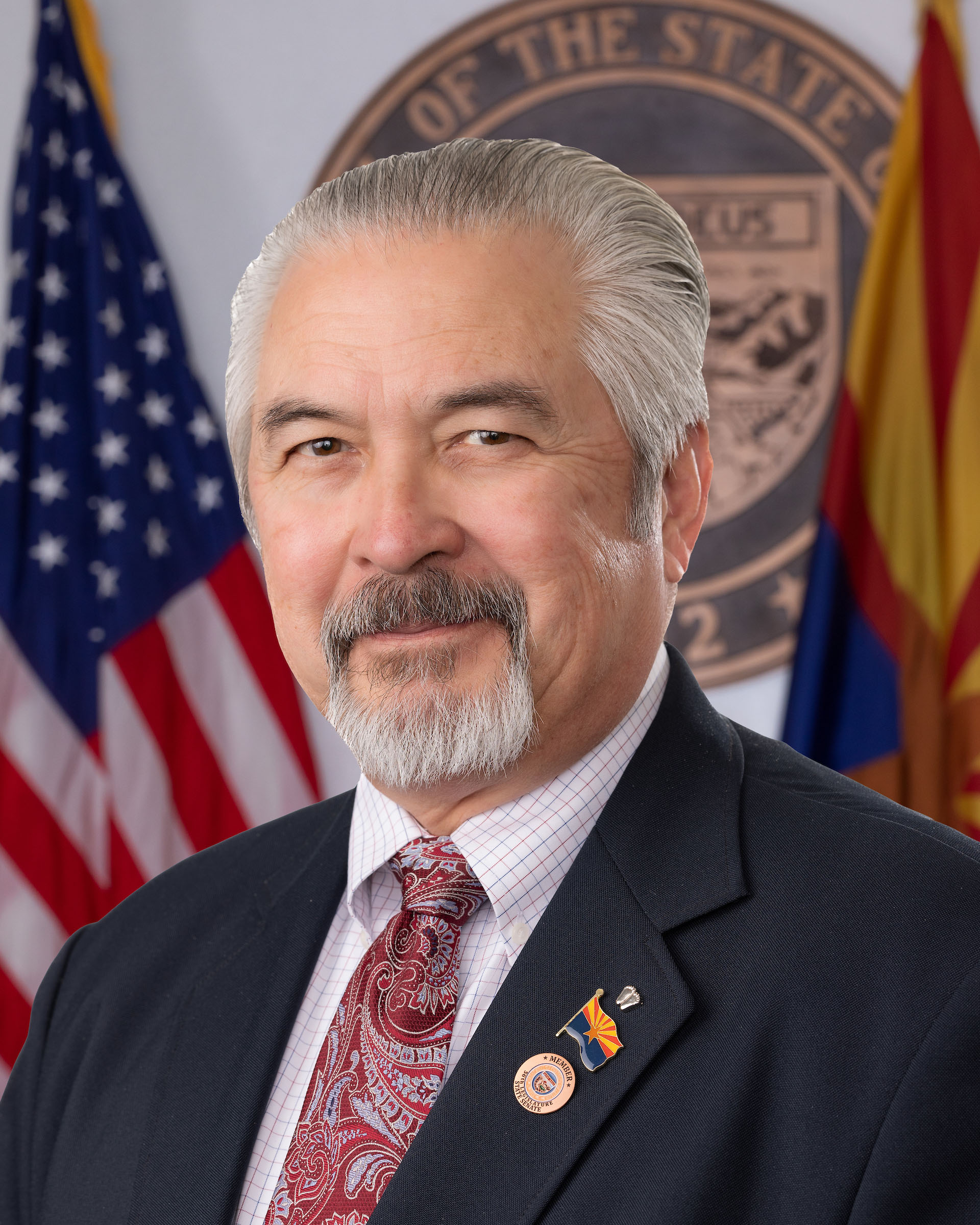
57th Legislature - Second Regular Session Introduced by Frank Carroll and 11 co-sponsors

Arizona municipalities and counties can create special tourism improvement areas authorized to levy additional taxes on visitor spending for localized tourism infrastructure and promotion.

Signed by Governor
0
WeVote Research Nonpartisan
Bill Summary · HB 2950

Legislative bill overview

HB 2950 authorizes Arizona municipalities and counties to establish "tourism improvement areas" (TIAs) as special taxing districts that can levy additional taxes on transient lodging, dining, entertainment, and related tourism services. Revenue generated would be dedicated to funding tourism promotion, infrastructure improvements, and economic development projects within designated areas. The bill provides local governments with a new tool to finance tourism-related initiatives through targeted taxation of visitor spending.

Why is this important

This legislation enables communities to tap into visitor spending to fund local tourism infrastructure and marketing without raising taxes on residents. It could accelerate development of tourism amenities in specific districts while potentially creating economic multiplier effects. However, it also represents an expansion of local taxing authority that could increase costs for hospitality businesses and visitors in established tourism zones.

Potential points of contention

  • Business impact: Hotels, restaurants, and entertainment venues in TIAs would face additional tax obligations, which could be passed to consumers or absorbed as reduced profit margins
  • Equity concerns: The mechanism creates variable tax rates across jurisdictions, potentially disadvantaging tourists and businesses in TIA zones versus non-designated areas
  • Governance questions: Unclear whether TIA boards would be elected or appointed, raising accountability issues for how revenue is spent

Compiled from official sources — confirm details with the bill’s official record.

Sign in to ask a question.