

WeVote

Bill

Bill

HR 7797

Toll Evasion Prevention and Plate Visibility Act of 2026

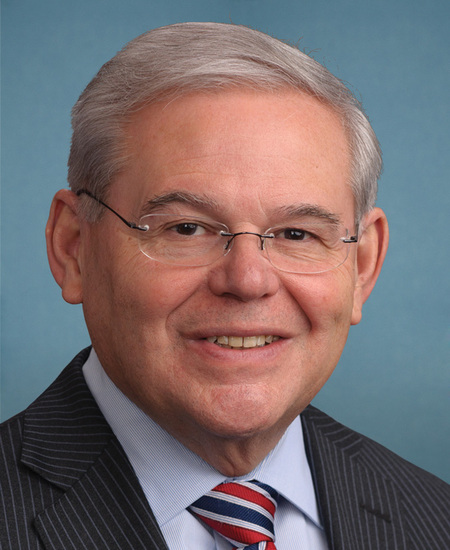
119th Congress Introduced by Rob Menendez

The act prohibits selling goods that impair license plate readability and funds systems and enforcement to curb toll evasion and improve plate capture.

Referred to the Subcommittee on Highways and Transit.
0
WeVote Research Nonpartisan
Bill Summary · HR 7797

Summary of Bill: Toll Evasion Prevention and Plate Visibility Act of 2026 (H.R. 7797)

Main purpose and intent

  • Establishes federal framework to prevent toll evasion through license plate readability issues and to improve platelet visibility for tolling systems.
  • Aims to curb fraudulent or obstructive uses of license plates and to promote technologies and practices that enhance plate identification.

Key provisions and changes

  1. License plate readability restrictions (Section 2)
  2. Prohibition on sale of goods designed to impair license plate readability.
  3. Prohibits sale of:
    • Fraudulent, counterfeit, or altered license plates, including:
    • Plates that falsely display registration information
    • Plates that mimic/replicate a valid state plate without authorization
    • Plates materially altered to misrepresent registration
    • Year-of-manufacture plates used without state authorization
    • Legitimate state plates sold without authorization
  4. Excludes certain activities: merely receiving, holding, or transporting such goods in ordinary business practice does not count as facilitating sale.
  5. Enforcement: Violations treated as unfair or deceptive acts or practices under the Federal Trade Commission Act; FTC would enforce with the full scope of FTC authority and penalties.
  6. Applicability: Applies to sales or offers for sale occurring 90 days after enactment.
  7. Regulations: FTC may promulgate regulations to implement this subsection.
  8. State/local authority: Provisions do not preempt state or local laws regulating plate readability; advisory intent does not require states to change plate designs or standards.

  9. Guidance on license plate readability (Section 2(b))

  10. Within 90 days of enactment, the FHWA Administrator must publish advisory guidance on readability.

  11. Guidance to include:

    • Best practices to improve plate appearance for better capture by digital imaging
    • Information about frames and covers that reduce readability
  12. Guidance is advisory and not a mandate for states to modify designs or adopt specific standards.

  13. Grant program (Section 2(c))

  14. Establishes a grant program within 90 days of enactment to support IT systems that identify vehicles that regularly evade tolls.

  15. Eligible recipients include:

    • States and units of local government
    • State or local law enforcement agencies
    • Multi-jurisdictional law enforcement task forces
    • Multi-jurisdictional organizations representing licensing agencies and law enforcement
    • Toll facility owners
  16. Applications: Eligible entities must submit appropriate applications to FHWA.

  17. Eligible projects include:

    • Development/implementation of IT systems to identify toll-evading vehicles
    • Training for law enforcement on detecting license plate obstruction violations
    • Data-sharing systems to coordinate among law enforcement, state agencies, and toll facilities to identify repeat violators
    • Other activities to enhance enforcement of license plate readability laws
  18. Appropriations (Section 2(d))

  19. Authorization of appropriations: $10,000,000 for each of fiscal years 2027 through 2030 to carry out the Act.

Who would be affected

  • Sellers and manufacturers: Entities selling products designed to obscure or alter license plates would be restricted and potentially subject to FTC enforcement.
  • Vehicle owners and toll facilities: Toll authorities, states, and enforcement agencies would gain new tools and guidance to identify toll evaders and to coordinate enforcement.
  • Law enforcement: Training, data-sharing capabilities, and interagency coordination would be expanded through grant funding.
  • States and localities: May receive federal grants to implement IT systems, enforcement measures, and data-sharing initiatives.
  • General public: Advisory guidance and restrictions are designed to improve plate readability in support of toll collection and enforcement, affecting consumers who may purchase plates, frames, or devices.

Procedural and timeline aspects

  • Enactment timeline:
    • Guidance and grants: Advisory guidance and the grant program would be established within 90 days after enactment.
    • Applicability of the plate sale restrictions: The sale restrictions would apply to sales occurring 90 days after enactment.
  • Committee process: Introduced March 4, 2026; referred to the House Committee on Transportation and Infrastructure and the Committee on Energy and Commerce; later referred to the Subcommittee on Highways and Transit.
  • Enforcement framework: FTC enforcement mirrors existing FTC Act processes, giving the agency authority to pursue unfair or deceptive acts or practices related to license plate readability.

Notable details

  • Title: Toll Evasion Prevention and Plate Visibility Act of 2026
  • Budget: Authorized funding of $10 million per year for 2027–2030
  • Enforcement: Federal Trade Commission oversight for unlawful sale of plate-impaired goods and counterfeit/altered plates
  • Advisory nature of guidance: Guidance on readability is non-binding with respect to state design choices

This summary captures the bill’s core aims, main provisions, affected parties, and key timelines, presenting a clear view of how it would influence license plate readability, toll evasion enforcement, and related federal funding mechanisms.

Compiled from official sources — confirm details with the bill’s official record.

Sign in to ask a question.