

WeVote

Bill

Bill

HR 8629

To strengthen recruitment, training, and retention of the health center workforce to improve access to care and health outcomes in rural and underserved communities, and for other purposes.

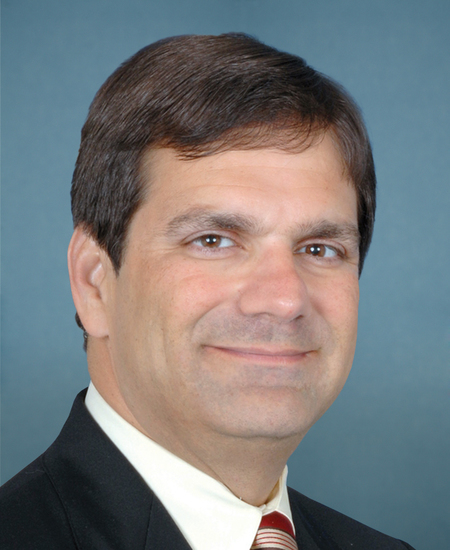
119th Congress Introduced by Gus Bilirakis and 1 co-sponsor

HR 8629 aims to strengthen health center staffing by boosting recruitment, training, and retention to expand access and improve care in rural and underserved communities.

Introduced in House
0
WeVote Research Nonpartisan
Bill Summary · HR 8629

Summary of HR 8629 (119th Congress)

Title: To strengthen recruitment, training, and retention of the health center workforce to improve access to care and health outcomes in rural and underserved communities, and for other purposes.

Note: This summary is based on the bill’s stated purpose and general framework typical of workforce and health centers legislation. For precise text, consult the official bill as introduced.

Purpose and Intent

  • The primary aim is to strengthen the health center workforce—specifically recruitment, training, and retention efforts—to expand access to care and improve health outcomes in rural and underserved communities.
  • The measure targets improvements in capacity and stability of the workforce serving federally funded health centers (and related safety-net providers), with a focus on recruitment pipelines, professional development, and retention strategies.

Key Provisions and Changes (as typically included in this policy area)

While the specific language of HR 8629 is not provided here, bills with this title commonly include:
- Workforce Recruitment
- Programs to recruit clinicians and support staff to rural/underserved areas.
- Incentives such as loan repayment, signing bonuses, relocation assistance, and targeted recruitment grants.
- Training and Education
- Funding for training programs, residency slots, continuing education, and specialty training aligned with community health center needs.
- Partnerships with academic institutions to create pipelines into community health centers.
- Retention Strategies
- Supportive work environments, competitive compensation, loan forgiveness, and career advancement pathways.
- Initiatives to reduce turnover and improve job satisfaction among health center personnel.
- Funding and Authorization
- Appropriation of federal funds to administer recruitment, training, and retention programs.
- Possible grant programs or demonstrate-up funding mechanisms for health centers to implement workforce strategies.
- Program Administration
- Clarification of which agency(s) administer the programs (often the Health Resources and Services Administration under HHS, with potential involvement of the Department of Education or Labor).
- Reporting and evaluation requirements to track outcomes and cost-effectiveness.

Who Is Affected

  • Primary beneficiaries: Health centers receiving federal support and the rural/underserved populations they serve.
  • Health center workforce: Clinicians (physicians, nurse practitioners, physician assistants, dentists, behavioral health professionals), nurses, nurse staff, and support personnel.
  • Employers: Community health centers, FQHCs (Federally Qualified Health Centers), and other safety-net providers.
  • Potential partners: Academic medical centers, residency programs, and workforce development organizations engaged in recruitment and training.

Procedural and Timeline Aspects

  • Introduction and Referral: Introduced in the House and referred to the Committee on Energy and Commerce, and to the Committee on Ways and Means for consideration of provisions that fall within their jurisdiction (April 30, 2026).
  • Legislative Process: Subject to committee deliberations, markups, and potential amendments; timing depends on scheduling and house rules.
  • Likely Next Steps: Committee reports, floor consideration, potential amendments, and passage or rejection. If enacted, implementation would be guided by the approved program details and funding authorizations.

Potential Impacts

  • Short-Term: Establishment or expansion of grant programs and federal funding to support recruitment, training, and retention efforts in health centers.
  • Medium-Term: Increased number of health professionals serving rural/underserved communities; enhanced access to primary care, preventive services, and behavioral health care.
  • Long-Term: Improved health outcomes in target regions due to stable, well-trained workforce and expanded capacity at community health centers.

If you need, I can tailor this to include hypothetical funding levels or outline a section-by-section draft once the bill text is available.

Compiled from official sources — confirm details with the bill’s official record.

Sign in to ask a question.