

WeVote

Bill

Bill

HR 9347

CHILD Labor Act

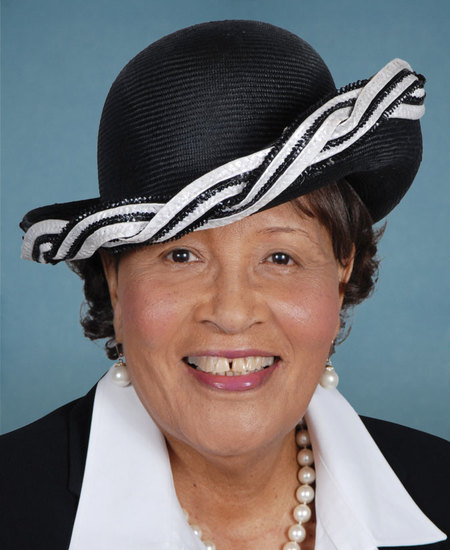
119th Congress Introduced by Alma Adams and 17 co-sponsors

Strengthen enforcement and protections against child labor violations by expanding authority, penalties, and oversight to safeguard minors in the workplace.

Introduced in House
0
WeVote Research Nonpartisan
Bill Summary · HR 9347

Overview

HR 9347, introduced in the 119th Congress, is a bill titled “To strengthen protections against child labor violations, and for other purposes.” Its primary aim is to bolster enforcement and protections related to child labor, addressing violations and gaps in existing law. The bill has a broad set of co-sponsors from the House and has been referred to the Committee on Education and the Workforce and the Committee on Oversight and Government Reform.

Purpose and intent

  • Strengthen protections against child labor violations.
  • Improve enforcement mechanisms to deter and penalize violations.
  • Expand or clarify authorities and responsibilities of relevant agencies to protect minors in the workplace.
  • Address gaps in current child labor laws to better safeguard children from unsafe or exploitative work conditions.

Key provisions and changes (as described by bill title and typical accompanying measures)

Note: The summary below reflects the intent implied by the bill’s title and typical legislative patterns for “strengthening protections against child labor violations.” Specific text of HR 9347 would provide the exact provisions; the following outlines likely areas of focus given the bill’s objective.

  • Enhanced enforcement powers: Authorities for labor agencies to conduct investigations, penalties, and corrective actions more robustly when child labor violations are detected.
  • Stricter penalties and sanctions: Increased penalties for employers who employ minors in prohibited or hazardous work, and for repeat violators.
  • Expanded definitions and scope: Clarifications of what constitutes child labor violations, potentially expanding the categories of prohibited work or the age ranges covered.
  • Worksite protections for minors: Measures to ensure safe working conditions for minors, including training, hazard awareness, and supervision requirements.
  • Reporting and accountability: Stronger reporting obligations for employers and stronger oversight to ensure compliance, possibly including annual reporting or public registries of violations.
  • Interagency coordination: Duty for federal agencies to coordinate enforcement efforts, possibly involving the Department of Labor and related oversight offices.
  • Funding and resources: Provisions to allocate funding or authorize appropriations to support enforcement, inspections, and outreach related to child labor protections.

Who and what would be affected

  • Employers and businesses: Likely subject to heightened inspection, reporting, and penalties for violations involving minor workers.
  • Minors in the workforce: Beneficiaries of strengthened protections, safer working conditions, and clearer enforcement against exploitation or hazardous employment.
  • Federal and possibly state labor enforcement agencies: Expanded authority, resources, and coordination requirements to pursue violations.
  • Subcontractors and supply chains: Potentially broadened enforcement reach to ensure compliance across contractors and vendors who employ minors.

Procedural and timeline aspects

  • Introduction and referral: Introduced in the House and referred to the Committee on Education and the Workforce and the Committee on Oversight and Government Reform.
  • Jurisdiction: The bill’s provisions fall within labor, education, and government oversight spheres, indicating a focus on both worker protections and enforcement mechanisms.
  • Status indicators: As of the provided action history (2026-06-18), the bill was introduced and assigned to committees for consideration. No floor action or passage status is indicated in the provided data.

Practical implications

  • If enacted, employers would face stricter compliance requirements and potentially higher penalties for violations involving youth labor.
  • The changes could lead to increased inspections and enforcement activity, with greater transparency and accountability in how child labor laws are enforced.
  • The reforms may create clearer pathways for reporting violations and for corrective actions to ensure minors are not exposed to unsafe work conditions.

Notes

  • For a precise understanding of the bill’s provisions, including exact definitions, penalties, thresholds, and funding amounts, the full text and section-by-section analysis from the Congressional Research or the bill’s official text would be necessary.

Compiled from official sources — confirm details with the bill’s official record.

Sign in to ask a question.