

WeVote

Bill

Bill

HR 9467

Green Ribbon Act of 2026

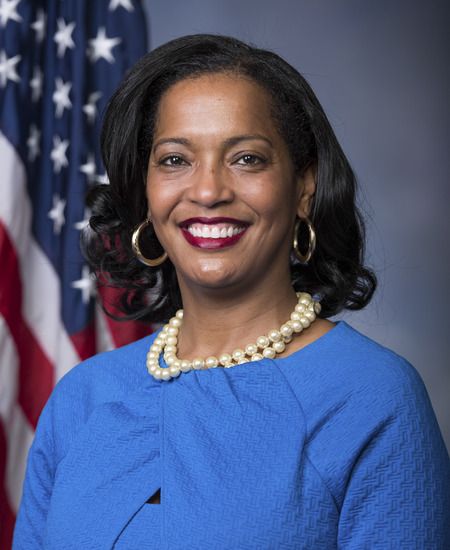
119th Congress Introduced by Jahana Hayes and 4 co-sponsors

HR 9467 would expand and fund the Green Ribbon Schools program to boost state participation and recognition of schools advancing environmental literacy, health, and sustainability.

Introduced in House
0
WeVote Research Nonpartisan
Bill Summary · HR 9467

Summary of HR 9467 (119th Congress)

Purpose and intent

  • HR 9467 seeks to strengthen and expand the Green Ribbon Schools Program administered by the U.S. Department of Education.
  • The bill aims to boost the capacity of participating States to increase the number of schools, applicants, and nominees engaged with environmental, environmental literacy, and environmental health goals.
  • Overall goal: enhance recognition and support for schools that demonstrate excellence and progress in sustainability, health, and environmental education.

Key provisions and changes (highlights)

  • Expansion of capacity: Provides mechanisms or funding avenues (specific dollar amounts are not listed in the available information) to help States scale their participation in the Green Ribbon program.
  • Increased participation: Aims to grow the pool of eligible and recognized schools by expanding the number of applications and nominees that States can support.
  • Environmental literacy and health emphasis: Keeps or intensifies focus on environmental education, student health related to the environment, and environmental literacy outcomes as primary criteria.
  • Federal-State collaboration: Strengthens the partnership between the Department of Education and state/local education agencies to implement and promote the program more broadly.
  • Program framework: Likely maintains the core structure of the Green Ribbon Schools process (nominations, recognition, and dissemination of best practices) while expanding reach and resources, though exact procedural changes are not detailed in the provided summary.

Who would be affected

  • State education agencies and local school districts: With expanded capacity and funding support, more schools across states could participate, apply, and be nominated for Green Ribbon recognition.
  • Schools and students: More schools could engage in environmental literacy initiatives and environmental health improvements, potentially improving sustainability practices, indoor/outdoor air quality, and related curricula.
  • Educators and administrators: Increased opportunities to implement best-practice sustainability and health measures, and to be publicly recognized for their work.

Procedural and timeline considerations

  • Introduction and referral: HR 9467 was introduced in the House and referred to the House Committee on Education and Workforce on June 25, 2026.
  • Status: As of the latest action, the bill is pending in committee, with no reported floor action or passage yet.
  • Sponsor context: The bill has multiple co-sponsors, indicating bipartisan or cross-faction interest in expanding environmental education and school sustainability initiatives.

Potential impact and considerations

  • Expansion could lead to broader national adoption of Green Ribbon standards, driving investment in sustainability infrastructure and professional development in schools.
  • Increased participation may help disseminate best practices for environmental health and literacy, benefiting student outcomes and community awareness.
  • Details on funding levels, eligibility criteria, and evaluation metrics are not provided in the available information; the actual impact would depend on enacted provisions and appropriations.

If you want, I can add a section comparing HR 9467 to the current Green Ribbon Schools framework or outline potential budgetary implications once more detailed text is available.

Compiled from official sources — confirm details with the bill’s official record.

Sign in to ask a question.