

WeVote

Bill

Bill

HR 8307

Responder and Recovery Safety in EV Fires Act

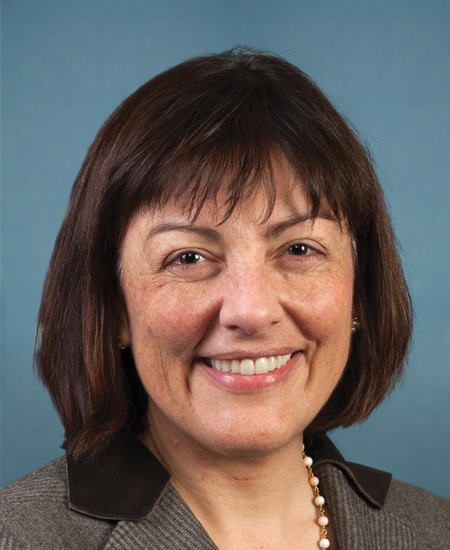
119th Congress Introduced by Suzan DelBene and 1 co-sponsor

Establishes a DOT-led federal working group to review, develop, and standardize guidance and best practices for responding to electric vehicle fires across agencies and responders.

Introduced in House
0
WeVote Research Nonpartisan
Bill Summary · HR 8307

Summary of HR 8307 (119th Congress)

Title

To require the Secretary of Transportation to establish a working group to review and establish guidance and best practices for responding to electric vehicle fires, and for other purposes.

Purpose and Intent

  • Establishes a federal working group under the Department of Transportation (DOT) with the goal of improving national guidance, best practices, and response strategies for incidents involving electric vehicle (EV) fires.
  • Aims to enhance safety, coordination, and consistency in how EV fire events are addressed across jurisdictions, including first responders, manufacturers, and regulators.

Key Provisions and Changes

  • Creation of a Working Group: The bill would require the Secretary of Transportation to form a working group dedicated to reviewing existing practices related to EV fire response and to develop updated guidance and best practices.
  • Scope of Review: The working group would examine current protocols for preventing, mitigating, and responding to EV battery fires, including:
    • Fire suppression techniques for lithium-ion and other EV battery chemistries.
    • Coordination with first responders (fire, medical, hazardous materials teams).
    • Safety standards for charging infrastructure and vehicle design to reduce fire risk.
    • Data collection, reporting, and incident analysis to inform recommendations.
  • Guidance and Best Practices: Development of standardized guidance documents, checklists, training materials, and recommended procedures that can be adopted by federal, state, and local authorities, as well as industry stakeholders.
  • Interagency and Stakeholder Collaboration: The working group would likely coordinate with agencies such as the National Highway Traffic Safety Administration (NHTSA), Federal Emergency Management Agency (FEMA), Occupational Safety and Health Administration (OSHA), and industry representatives, though the bill text would specify the composition and outreach requirements.
  • Reporting and Deliverables: The bill would outline expected deliverables, such as formal reports, draft guidance, and timelines for when guidance should be produced or updated.
  • Implementation and Review: Provisions may outline how the guidance should be updated over time and how agencies should implement the recommendations, potentially including performance milestones or review cycles.

Who/What Would Be Affected

  • Federal Level: Department of Transportation and the Secretary of Transportation would administer the working group and publish guidance.
  • First Responders and Public Safety: Fire departments, EMS, and hazmat teams would be primary users of the resulting guidance and training materials.
  • EV Industry: Vehicle manufacturers, charging infrastructure developers, and suppliers would reference standardized guidance to align designs, maintenance, and incident response.
  • State and Local Governments: Adoption and adaptation of the federal guidance could influence state and local emergency response protocols and training.
  • Consumers: Indirectly affected through improvements in safety guidance and potentially faster, more uniform responses to EV fire incidents.

Procedural and Timeline Aspects

  • Introduction and Referral: Introduced in the House and referred to the Committee on Science, Space, and Technology (April 15, 2026).
  • Next Steps: The committee would study the bill, conduct hearings if proposed, and may draft amendments. If approved, the bill would move to the House floor for consideration and potential passage, then onward to the Senate.
  • Status Indicators: As of the given action history, the bill is in the early stages of the legislative process and has not yet become law.

This summary captures the bill’s core objective: to create a federal working group under DOT to review and establish standardized guidance and best practices for responding to electric vehicle fires, with broad implications for safety practices across government, industry, and first responders.

Compiled from official sources — confirm details with the bill’s official record.

Sign in to ask a question.