

WeVote

Bill

Bill

HR 8408

To require the reduction of the reliance and expenditures of the Federal Government on legacy information technology systems, and for other purposes.

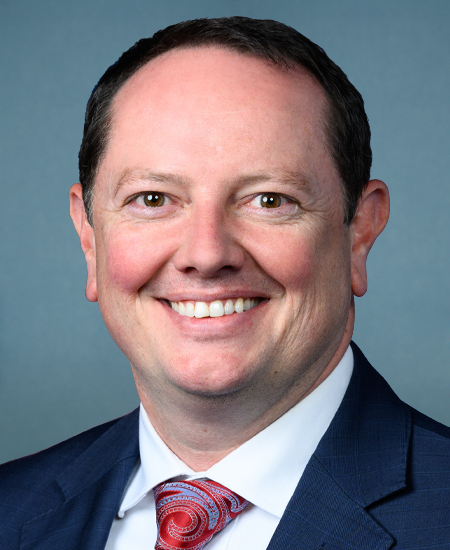
119th Congress Introduced by Eric Burlison and 1 co-sponsor

Requires modernizing federal IT by reducing reliance on legacy systems and shifting funds to secure, interoperable, up-to-date technology.

Introduced in House
0
WeVote Research Nonpartisan
Bill Summary · HR 8408

Summary of HR 8408 (119th Congress) — “To require the reduction of the reliance and expenditures of the Federal Government on legacy information technology systems, and for other purposes.”

Purpose and intent

  • The bill seeks to reduce the federal government’s reliance on, and expenditures related to, legacy information technology (IT) systems.
  • Its overarching objective is to modernize federal IT infrastructure by prioritizing modernization, interoperability, security, and efficiency.

Key provisions and changes (as described by the bill's title and common legislative practice for this type of measure)

  • Establishes the goal of decreasing federal dependence on outdated or “legacy” IT systems across federal agencies.
  • Directs or authorizes actions intended to accelerate IT modernization efforts, potentially including:
    • Replacement or retirement of legacy applications and infrastructure.
    • Adoption of modern, secure, scalable technologies (e.g., cloud services, modern software platforms, and standardized data architectures).
    • Improvement of IT procurement practices to favor modern solutions and reduce long-term maintenance costs.
    • Strengthening cybersecurity and resilience through updated IT environments.
  • Could require agency-level modernization plans, progress reporting, and performance metrics to monitor reductions in legacy IT reliance and related expenditures.
  • May include guidance on budgeting, appropriations, or reallocation of funds toward modernization initiatives.
  • Potentially addresses interoperability and data governance to ensure modern systems communicate effectively across agencies.

Who or what would be affected

  • Federal agencies and departments that currently operate legacy IT systems.
  • Federal IT workforce, with potential implications for staffing, training, and transition planning.
  • Contractors and vendors providing legacy IT solutions or modernization services.
  • Taxpayers and federal constituents who benefit from more secure, reliable, and efficient government IT services.

Procedural and timeline aspects

  • Status: Referred on 2026-04-21 to the House Committee on Oversight and Government Reform.
  • Introduction also occurred on 2026-04-21.
  • As a House bill, if advancing, it would typically undergo committee review, potential markup, and floor consideration. Any further timeline (markups, amendments, votes) would depend on committee actions and floor scheduling.
  • Sponsor information:
    • Co-sponsors: Eric Burlison, Maxwell Frost
  • No specific date-certain provisions or enforceable deadlines are stated in the available summary; detailed timelines would be defined in the text of the bill and any committee or floor amendments.

Potential impacts and considerations

  • Financial: Aimed at long-term cost savings by reducing maintenance and support for outdated systems; upfront modernization costs may be required.
  • Operational: Expected improvement in system reliability, security, and user experience for federal IT services.
  • Security and resilience: Modernization could enhance cybersecurity posture and incident response capabilities.
  • Implementation challenges: Large-scale IT modernization can involve complex procurement, data migration, interoperability concerns, and change management across numerous agencies.

If you’d like, I can tailor this summary to a specific audience (e.g., policymakers, government employees, or the general public) or extract any available text from the bill for a more precise line-by-line overview.

Compiled from official sources — confirm details with the bill’s official record.

Sign in to ask a question.