

WeVote

Bill

Bill

HR 6772

To require the Comptroller General of the United States to conduct a study and submit a report to Congress that examines the costs and benefits that could be associated with establishing a Federal uniform residential building code.

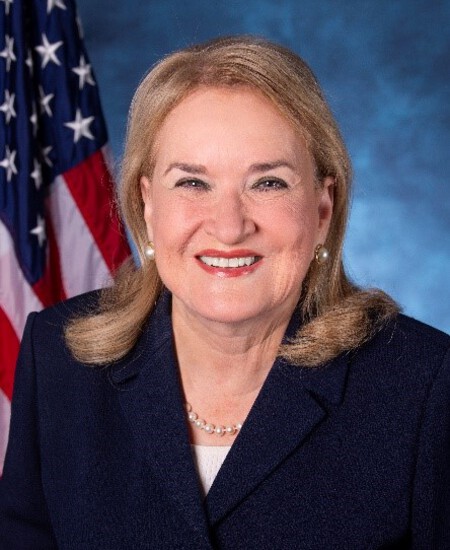
119th Congress Introduced by Sylvia Garcia

GAO to study the costs and benefits of a single federal residential building code and report findings to Congress, weighing safety/energy gains against builder/homeowner costs.

Introduced in House
1
WeVote Research Nonpartisan
Bill Summary · HR 6772

Summary of HR 6772 (Introduced December 17, 2025)

Overview

  • Bill Number: HR 6772
  • Title: To require the Comptroller General of the United States to conduct a study and submit a report to Congress that examines the costs and benefits that could be associated with establishing a Federal uniform residential building code.
  • Status: Introduced in the House of Representatives; referred to the House Committee on Financial Services (2025-12-17).
  • Introduced: December 17, 2025

Purpose and Intent

The bill directs the Comptroller General (GAO) to study and evaluate the potential costs and benefits of establishing a single, nationwide Federal uniform residential building code. The goal is to provide Congress with an evidence-based assessment of whether such a code would improve housing safety, energy efficiency, construction quality, and disaster resilience, balanced against potential costs to builders, homeowners, and federal and state regulators.

Key Provisions (as proposed)

  • Mandated Study: The Comptroller General must conduct a comprehensive analysis focusing on the feasibility, economic impact, and policy implications of a Federal uniform residential building code.
  • Cost-Benefit Analysis: The study should quantify or estimate:
    • Upfront and ongoing costs to developers, builders, and homeowners (e.g., compliance costs, material and labor inputs, verification and permitting).
    • Potential savings or benefits (e.g., reduced structural failures, improved safety, energy efficiency, long-term maintenance costs, disaster resilience).
    • Administrative and regulatory costs to federal, state, and local governments.
  • Report to Congress: The Comptroller General must submit a report detailing the methodology, findings, assumptions, uncertainties, and policy recommendations regarding the establishment of a Federal uniform residential building code.
  • Scope of Analysis: While specific code provisions are not enumerated in the summary, the study is expected to consider how a federal standard would interact with or supersede existing state, local, or model codes, and any transitional or implementation issues.

Note: The bill text itself is not provided beyond the summary description, so the exact methodological requirements, reporting timeline, and scope are not enumerated here. The description indicates a GAO-led evaluation culminating in a congressional report.

Affected Parties and Impacts

  • Federal Government: Requires GAO to undertake the study and produce a report; potential implications for federal regulatory policy and intergovernmental coordination.
  • State and Local Governments: Potential changes in compliance dynamics if a federal code exists, including interaction with state and local building codes and permitting processes.
  • Construction Industry: Possible impact on design, procurement, and permitting costs; the study would assess how a federal code could affect labor, materials, and regional construction practices.
  • Homeowners/Renters: Potential long-term effects on housing safety, energy efficiency, and resilience, balanced against any increased construction or compliance costs.
  • Consumers and Taxpayers: Overall cost implications of a nationwide code and any resulting federal or state programmatic costs.

Procedural and Timeline Considerations

  • Committee Action: Referred to the House Committee on Financial Services (2025-12-17). No further actions or deadlines are listed in the provided information.
  • Next Steps: If advanced, the bill could be considered in committee, debated on the floor, and, if approved, sent to the Senate. The bill would only become law if enacted by both chambers and signed by the President (or overridden in the event of a veto).

Notes for Readers

  • The summary reflects a proposal to commission a GAO study and report rather than immediate regulatory changes. The actual impact would depend on Congress’s subsequent actions and any legislative amendments to the bill (e.g., scope, deadlines, funding for the GAO study, and any provisions specifying how the federal code process would be structured).

Compiled from official sources — confirm details with the bill’s official record.

Sign in to ask a question.