

WeVote

Bill

Bill

HR 9050

Small Business Innovation Voucher Act of 2026

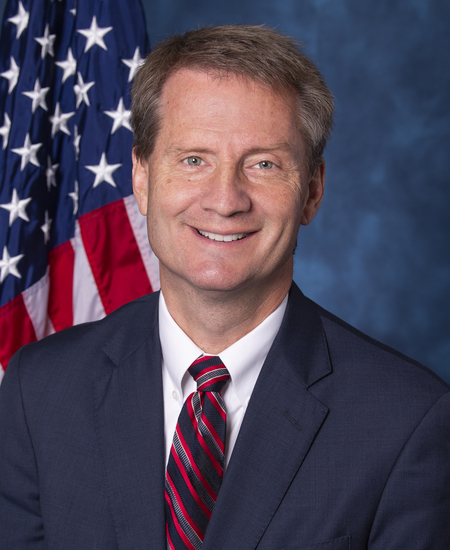
119th Congress Introduced by Tim Burchett and 1 co-sponsor

The bill would create an SBA Innovation Voucher Grant Program to fund small businesses’ external services for research, prototyping, and commercialization to boost innovation and j

Introduced in House
0
WeVote Research Nonpartisan
Bill Summary · HR 9050

Summary of HR 9050 (119th Congress)

Purpose and intent

HR 9050 would require the Administrator of the U.S. Small Business Administration (SBA) to establish an Innovation Voucher Grant Program. The program is intended to support small businesses by providing targeted funding to pursue research, development, or commercialization activities that foster innovation, promote job creation, and enhance competitiveness.

Key provisions and changes

  • Creation of an Innovation Voucher Grant Program: The bill directs the SBA to design and implement a new grant program specifically labeled as “Innovation Vouchers.” These vouchers would be used by eligible small businesses to obtain external services or support needed to advance innovative projects.

  • Grant structure and use of funds:

    • Grantees would receive specified voucher amounts (the bill text would define the exact dollar value per voucher and any minimum/maximum limits per applicant).
    • Eligible uses typically include activities such as technical assistance, prototyping, testing, market research, IP evaluation, regulatory navigation, and other supports that accelerate innovation and commercialization. (The summary reflects common features of “voucher” programs; refer to the bill text for exact eligible activities.)
  • Eligibility criteria:

    • Small business status would be required (as defined by SBA size standards).
    • Other criteria may include ownership status, location, stage of business, and potential for job creation or economic impact. The bill would specify these details.
  • Application and administration:

    • The SBA would administer the program, including application processes, review criteria, grant terms, reporting requirements, and oversight.
    • The bill would likely authorize appropriations or specify funding sources and caps, along with accountability measures such as milestones and performance metrics.
  • Funding and duration:

    • The bill would authorize a funding level to establish and operate the Innovation Voucher Grant Program (the exact amount would be stated in the text).
    • It may set the program’s duration (e.g., the initial funding cycle and potential renewal or authorization for subsequent years).

Who/what would be affected

  • Small businesses: Primary beneficiaries, especially those pursuing innovative projects requiring external services or expert assistance.
  • SBA and program administrators: Responsible for implementing, managing, and reporting on grants.
  • Partner service providers: Universities, research institutions, tech incubators, consultants, and other entities providing eligible technical or business services may participate as voucher recipients or collaborators.
  • Local economies and job creation: Indirectly affected through increased innovation activity, potential employment growth, and regional competitiveness.

Procedural and timeline aspects

  • Referral and consideration: As of the latest action, HR 9050 has been introduced in the House and referred to the House Committee on Small Business for consideration.
  • Next steps in the legislative process: After committee review, the bill would proceed to markup, potential amendments, and votes in the House. If passed, it would move to the Senate (where companion or similar legislation could exist) and then to the President for signature or veto.
  • Implementation timeline (if enacted): Assuming timely passage, the SBA would need to issue program regulations, establish application periods, and begin voucher awards in accordance with the authorizing language and appropriations.

Additional notes

  • The bill lists Tim Burchett and Jason Crow as co-sponsors, signaling bipartisan interest in supporting small business innovation.
  • Specific dollar amounts, eligibility details, reporting requirements, and administrative procedures are defined in the full text of the bill. For precise figures and terms, consult the bill's language as introduced.

Compiled from official sources — confirm details with the bill’s official record.

Sign in to ask a question.