

WeVote

Bill

Bill

HR 9802

To require the Administrator of the National Oceanic and Atmospheric Administration to establish an assessment program for commercial-scale offshore aquaculture through demonstration projects, to support aquaculture development, and for other purposes.

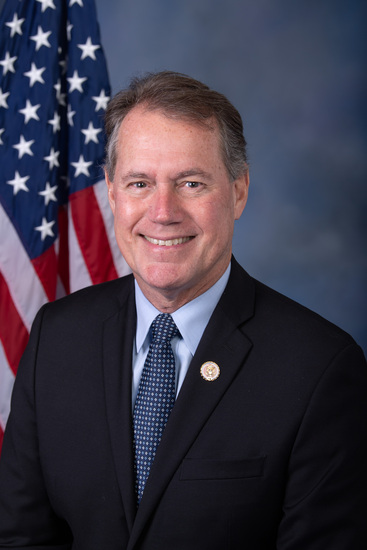
119th Congress Introduced by Ed Case and 5 co-sponsors

NOAA would lead demonstration-scale offshore aquaculture projects to assess environmental, economic, and regulatory viability, guiding future permits and policy.

Introduced in House
0
WeVote Research Nonpartisan
Bill Summary · HR 9802

Overview

HR 9802 seeks to establish an assessment program for commercial-scale offshore aquaculture through NOAA-led demonstration projects, with the broader aim of supporting aquaculture development in U.S. waters. The bill would direct the National Oceanic and Atmospheric Administration (NOAA) to design, implement, and evaluate demonstration projects, creating a framework to assess feasibility, environmental and economic impacts, and potential regulatory pathways for offshore aquaculture.

Main purpose and intent

  • Create a formal assessment program under NOAA to advance commercial-scale offshore aquaculture.
  • Use demonstration projects to test, monitor, and evaluate aquaculture techniques, siting, environmental effects, economic viability, and supply-chain considerations.
  • Provide data-driven guidance for policy, permitting, and future development of offshore aquaculture in U.S. federal waters.

Key provisions and changes

  • Establishment of NOAA-led demonstration projects: The bill would require NOAA to initiate and oversee demonstration-scale offshore aquaculture projects, likely specifying criteria for site selection, species, and production methods.
  • Assessment framework: Development of metrics and processes to evaluate environmental, social, and economic impacts, including sustainability, ecosystem risk, fish health, feed sources, escaped stock, and interactions with wild populations.
  • Regulatory/compliance guidance: Generate information to inform regulatory frameworks and streamline or clarify permitting processes for offshore aquaculture at scale.
  • Technology and market development: Support innovation, infrastructure, and supply-chain development to enable commercial viability, including potential collaboration with industry, researchers, and state governments.
  • Reporting and timelines: Establish reporting requirements to track progress, outcomes, and policy implications, with milestones for project progress and program review.

Who would be affected

  • NOAA and federal permitting/regulatory agencies: Primary implementers of the demonstration program and the assessment framework.
  • Offshore aquaculture industry and developers: Potential beneficiaries through clearer pathways, data-backed regulatory guidance, and demonstration projects that de-risk scale-up.
  • Coastal communities and stakeholders: Indirectly affected via environmental assessments, economic opportunities, and local ecosystem considerations.
  • Researchers and institutions: Opportunities for collaboration on assessment metrics, environmental monitoring, and technological innovations.

Procedural and timeline aspects

  • Introduction and referral: The bill was introduced and referred to the House Committee on Natural Resources (July 21, 2026).
  • Potential committee actions: The committee would consider, amend, and report the bill, potentially paving the way for floor action and reconciliation with Senate measures.
  • Implementation timeline: While specific dates are not provided in the summary, the bill implies a phased program beginning with demonstration projects, followed by assessment reporting and policy guidance.

Potential impact considerations

  • Environmental safeguards: The assessment would focus on environmental risks and mitigation, aiming to minimize ecological disruption and protect wild populations.
  • Economic development: By testing scalable offshore aquaculture, the bill could expand domestic seafood production and supply-chain resilience.
  • Policy clarity: Results from demonstration projects could inform clearer permitting standards and potential regulatory reforms to support responsible expansion.
  • Risk and controversy: As with offshore aquaculture, potential concerns include habitat disturbance, interactions with wild species, feed sourcing sustainability, and navigational/operational conflicts with other offshore uses.

If you’d like, I can compare this bill to existing offshore aquaculture policies or fit its provisions into a timeline of related legislative efforts.

Compiled from official sources — confirm details with the bill’s official record.

Sign in to ask a question.