

WeVote

Bill

Bill

HR 10123

To require the Administrator of the Federal Motor Carrier Safety Administration to audit the issuance procedures for non-domiciled commercial driver's licenses for each State, and for other purposes.

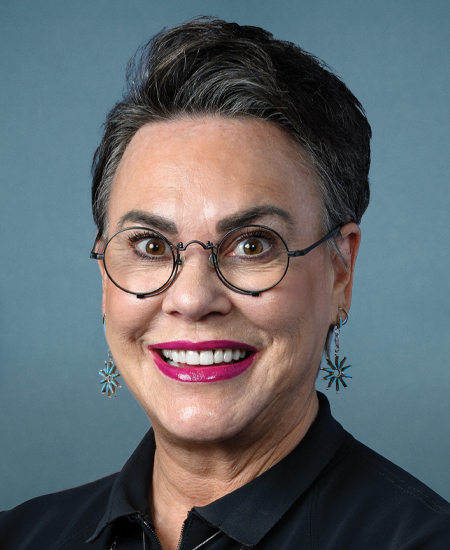
119th Congress Introduced by Harriet Hageman

The bill would require FMCSA to audit each state's non-domiciled CDL issuance procedures to assess accuracy, security, and compliance.

Introduced in House
0
WeVote Research Nonpartisan
Bill Summary · HR 10123

Summary of HR 10123 (119th Congress)

Purpose and intent

  • HR 10123 seeks to require the Administrator of the Federal Motor Carrier Safety Administration (FMCSA) to audit the issuance procedures for non-domiciled commercial driver’s licenses (CDLs) for each state.
  • The overarching goal appears to be ensuring that states’ procedures for issuing CDLs to non-domiciled (i.e., drivers who are not permanent residents or domiciled within the issuing state) are assessed for compliance, consistency, and potential vulnerabilities in the licensing process.

Key provisions and changes

  • Duty to audit issuance procedures: FMCSA must conduct an audit of each state's CDL issuance procedures specifically in relation to non-domiciled drivers.
  • Scope of audit: While the bill text provided does not enumerate detailed audit steps, the mandate implies review of processes, controls, and compliance standards used by states when issuing non-domiciled CDLs. The audit could cover verification procedures, residency/documentation requirements, and security checks used to prevent fraud or misrepresentation.
  • Reporting or follow-up: The bill’s language (as summarized) indicates an audit obligation but does not specify the exact report format, frequency, or required actions Congress may take based on audit findings. In typical legislative practice, such audits would culminate in a report to Congress and potential recommendations.

Who or what would be affected

  • Federal entity: FMCSA would be responsible for performing the audits across all states.
  • States: Each state’s CDL issuance procedures for non-domiciled drivers would be examined. Potential outcomes could include recommendations for process improvements or changes to procedures to strengthen verification and fraud-prevention measures.
  • Non-domiciled CDL applicants: Indirectly affected, as audits could lead to tightened eligibility verification or changes in documentation requirements, potentially impacting how non-domiciled drivers apply for and receive CDLs.

Procedural and timeline aspects

  • Action history:
    • Introduced in the House and referred to the House Committee on Transportation and Infrastructure on August 20, 2026.
  • Legislative status: As of the provided information, the bill has not progressed beyond referral to committee. No floor action, amendments, or voting history is listed.
  • Sponsorship: Primary sponsor information is not provided, but a co-sponsor is listed:
    • Co-sponsor: Harriet Hageman
  • Next steps (typical for such bills): If advanced by the committee, it could move to a full House vote, potential reconciliation with Senate language, and—if enacted—implementation guidance for FMCSA, including setting audit timelines and reporting requirements.

Potential implications and considerations

  • Accountability: Establishing a federal audit process could improve oversight of state licensing practices for non-domiciled drivers.
  • Uniformity and security: Findings could prompt standardization or enhancements in verification procedures to prevent license fraud or misuse.
  • Federal-state relations: The bill would impose a federal audit requirement related to state-issued licenses, which may raise questions about the balance of federal oversight versus state control of driver licensing.

Note: The summary is based on the bill’s stated title and action history. For a complete understanding, the full text of the bill would provide detailed audit methodologies, reporting requirements, and any specific standards or deadlines.

Compiled from official sources — confirm details with the bill’s official record.

Sign in to ask a question.