

WeVote

Bill

Bill

HR 10010

Build Homes, Not Hate Act of 2026

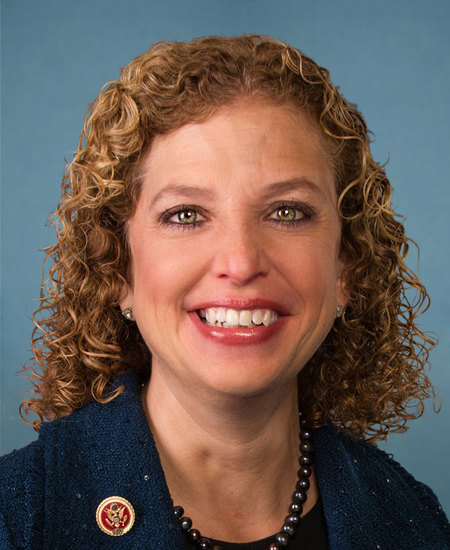
119th Congress Introduced by Debbie Wasserman Schultz

FEMA would create a grant program to fund housing development and direct homelessness services, including housing support, for those experiencing or at risk of homelessness.

Introduced in House
0
WeVote Research Nonpartisan
Bill Summary · HR 10010

Overview

HR 10010, introduced in the 119th Congress, would require the Administrator of the Federal Emergency Management Agency (FEMA) to establish a grant program. The program would provide grants to eligible entities to create housing units and deliver direct homelessness response, supportive housing, and transitional services for individuals and families experiencing homelessness or at risk of homelessness, and for other purposes.

Purpose and intent

  • Establish a dedicated FEMA grant program to support housing creation and comprehensive homelessness services.
  • Align disaster preparedness and response resources with long-term housing stability efforts for people experiencing homelessness or at risk of homelessness.
  • Provide funding that covers both the construction/creation of housing units and the provision of related services to support housing retention and transitions to stable living situations.

Key provisions and changes

  • FEMA Grant Program: Requires FEMA to create a grant program. Details to be determined by the implementing agency but would be administered under FEMA.
  • Eligible Entities: Grants would be awarded to eligible entities (the bill would specify who qualifies; typically this could include state and local governments, non-profits, and other organizations involved in housing and homelessness services).
  • Uses of Funds:
    • Creation or development of housing units suitable for individuals and families experiencing homelessness or at risk of homelessness.
    • Direct homelessness response activities (e.g., outreach, intake, shelter services).
    • Provision of supportive housing services (e.g., case management, healthcare coordination, mental health and substance use supports).
    • Transitional services aimed at moving individuals and families toward stable housing (e.g., housing navigation, linkages to permanent housing, rental assistance, and services that facilitate exits from homelessness).
  • Program Structure: The bill would outline application processes, funding cycles, reporting requirements, and oversight mechanisms to ensure funds are used for intended purposes.
  • Other Provisions: The bill may include definitions, non-profit and governmental roles, coordination with existing HUD/Department of Housing and Urban Development programs, and protections against duplication of benefits or misuse of funds.

Who would be affected

  • Eligible entities applying for and receiving FEMA homelessness housing grants (likely including state and local governments, tribal governments, and eligible nonprofit organizations).
  • Individuals and families experiencing homelessness or at risk of homelessness who would benefit from newly created housing units and associated services.
  • Agencies coordinating homelessness response services, housing, and supportive services through grant-funded programs.
  • Potentially affected FEMA program administration, reporting, and compliance staff.

Procedural and timeline aspects

  • Introduction and Referral: Bill introduced (July 30, 2026) and referred to the Committee on Transportation and Infrastructure, and in addition to the Committee on the Judiciary, for consideration of provisions within their jurisdictions.
  • Committee Process: Bills referred to committees typically undergo markup, potential amendments, and hearings before moving to floor consideration.
  • Implementation Timeline: As a new grant program, details would depend on final statutory language and appropriation levels. The bill would designate how soon FEMA must establish the program after enactment and begin awarding grants, subject to funding availability and rulemaking.

Notes

  • Sponsorship: Co-sponsor listed as Debbie Wasserman Schultz.
  • This summary reflects the bill’s stated aims and provisions as of the latest available action history. Final program details (eligibility criteria, funding caps, funding formulas, match requirements, reporting, and oversight) would be defined in the enacted text or accompanying committee reports.

Compiled from official sources — confirm details with the bill’s official record.

Sign in to ask a question.