

WeVote

Bill

Bill

HR 9225

To require the Administrator of the Federal Aviation Administration to conduct a study to assess whether certain aircraft certified under part 23 of title 14, Code of Federal Regulations, may be used in operations conducted under part 121 of such title, and for other purposes.

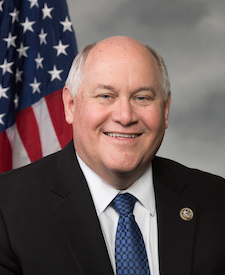
119th Congress Introduced by Ron Estes and 2 co-sponsors

The bill requires the FAA to study whether Part 23 aircraft can operate under Part 121, assessing feasibility, safety, and regulatory changes if supported.

Introduced in House
0
WeVote Research Nonpartisan
Bill Summary · HR 9225

Overview

HR 9225 is a bill introduced in the 119th Congress that would require the Administrator of the Federal Aviation Administration (FAA) to conduct a study. The study would assess whether certain aircraft certified under part 23 of Title 14 of the Code of Federal Regulations (CFR) may be used in operations conducted under part 121 of the CFR, and the bill sets forth related purposes and potential actions based on the study results. The bill has three co-sponsors: Rep. Ron Estes, Rep. Seth Magaziner, and Rep. Tracey Mann. It was referred on June 9, 2026, to the House Committee on Transportation and Infrastructure.

Purpose and Intent

  • Primary aim: To determine, through an FAA study, whether aircraft certified under Part 23 (typically general aviation airplanes, small aircraft used for various civilian flights) could be used in operations that are conducted under Part 121 (programmed for scheduled air carrier and air freight operations, such as most domestic passenger and cargo airlines).
  • The underlying objective appears to be to explore safety, certification, and operational feasibility of expanding or permitting Part 23-certified aircraft to operate under Part 121, as appropriate, and to identify any gaps or requirements needed to allow such use if deemed feasible.

Key Provisions

  • mandate: The FAA Administrator must conduct a formal study evaluating the viability of using Part 23 aircraft in Part 121 operations.
  • scope of study (implied): Assessment would likely cover airworthiness, certification standards, maintenance, operation, safety implications, training, airspace integration, and regulatory compatibility between Part 23 and Part 121 operations.
  • potential outcomes (implied by study results): The bill would enable Congress or the FAA to consider regulatory changes, safety rules, or implementation timelines based on the study’s findings. Specific actions, amendments, or pilot programs would depend on the study conclusions.

Note: The text provided does not include detailed amendments or regulatory language; the core actionable item is the study mandate.

Affected Parties and Impacts

  • Federal Aviation Administration (FAA): Responsible for conducting the study and issuing findings.
  • Airline operators and Part 121 stakeholders: Could be affected if study results lead to changes in certification, fleet eligibility, or operating rules for Part 23 aircraft in Part 121 operations.
  • Aircraft manufacturers and operators of Part 23 aircraft: Potentially affected by any future regulatory changes arising from the study.
  • Passengers and general aviation community: Indirectly affected to the extent that operations, safety, or costs change as a result of subsequent rules or pilot programs stemming from the study.

Procedural and Timeline Aspects

  • Introduction: Bill introduced in the House and referred to the Committee on Transportation and Infrastructure on June 9, 2026.
  • Status: Awaiting committee action; no floor passage or Senate action noted in the provided information.
  • Timeline: The bill requires the FAA to undertake a study. The bill’s text would specify a deadline for completing the study and presenting findings, but those details aren’t included in the summary provided.

Additional Notes

  • The bill’s impact depends on the FAA’s study findings. If the study concludes feasibility with identified safety and regulatory gaps, Congress could consider further legislative changes.
  • As a study-only mandate (per the available description), the bill may not immediately alter current Part 23 or Part 121 operations but could set in motion a structured assessment that informs future policy decisions.

If you want, I can tailor this summary to focus on specific stakeholders (airlines, manufacturers, or safety communities) or compare it with existing FAA certification frameworks for Part 23 and Part 121.

Compiled from official sources — confirm details with the bill’s official record.

Sign in to ask a question.