

WeVote

Bill

Bill

HR 9352

To require reports regarding artificial intelligence-related job impacts, and for other purposes.

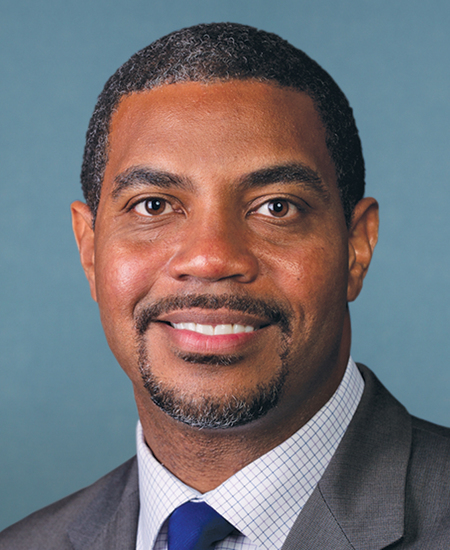
119th Congress Introduced by Steven Horsford and 2 co-sponsors

The bill would require regular, transparent federal reporting on AI’s effects on jobs, skills, wages, and regional impacts to guide policy and training.

Introduced in House
0
WeVote Research Nonpartisan
Bill Summary · HR 9352

Summary of HR 9352 (Session 119)

Purpose and intent

HR 9352 seeks to establish requirements for reporting on the employment and labor market impacts associated with artificial intelligence (AI) technologies and activities. The bill aims to increase transparency around how AI may affect job availability, worker displacement, and workforce needs, by mandating regular reporting to Congress and related federal agencies. The overarching goal is to inform policymakers, workers, employers, and educators about AI-driven changes in the labor market and to support informed decision‑making and potential policy responses.

Key provisions and changes

  • Reports on AI-related job impacts: The bill requires periodic reporting regarding:

    • The potential effects of AI on job creation and job displacement across sectors.
    • Changes in demand for specific skills, occupations, and training needs due to AI adoption.
    • Impacts on wages, working conditions, and employment terms.
    • Regional and demographic disparities in AI-related labor market effects.
  • Reporting bodies and coordination: The required reports would be prepared by designated federal agencies (likely including the Department of Labor and related agencies) and coordinated with relevant departments such as Education, Commerce, and potentially others involved in workforce development and technology assessment.

  • Content and methodology standards: Reports would need to include methodological approaches for assessing AI-related impacts, data sources, and transparency around uncertainty. This may involve analytics on adoption rates, productivity effects, and occupational transition pathways.

  • Timelines and frequency: The bill specifies a schedule for when reports must be produced and delivered to Congress (e.g., initial report followed by periodic updates at defined intervals). Exact dates and cadence would be set in the enacted text.

  • Public accessibility and accountability: There is an emphasis on making findings available to the public and providing actionable insights for policymakers, educators, employers, and workers. This could include executive summaries, policy recommendations, and data dashboards.

Who would be affected

  • Federal agencies: Likely the Department of Labor and other agencies involved in workforce development, education, and economic analysis would have reporting duties and coordination responsibilities.
  • Workers and job seekers: Insights from the reports could inform training programs, apprenticeship opportunities, and career guidance to adapt to AI-driven changes.
  • Employers and industry groups: Businesses may use the findings to plan workforce strategies, reskilling programs, and hiring needs in light of AI adoption.
  • Educators and training providers: Schools, community colleges, and workforce development organizations may align curricula and offerings with identified AI-related skill gaps.
  • Policymakers and researchers: Legislators and analysts would use the reports to evaluate effectiveness of current policies and consider new interventions.

Procedural and timeline aspects

  • Introduction and referral: HR 9352 was introduced in the House and referred to the House Committee on Education and Workforce on June 18, 2026.
  • Sponsor information: Primary sponsors include Jim Moylan, with additional co-sponsors Sara Jacobs and Steven Horsford.
  • Next steps in process: The committee would consider, amend as needed, and potentially advance the bill toward floor consideration. If enacted, the reporting requirements would become binding for the specified agencies and timelines.

Potential impact and considerations

  • Transparency and data-driven policy: By systematically collecting and sharing data on AI’s labor market effects, the bill could help MPs, agencies, and the public understand where interventions are needed (e.g., retraining programs, wage protections, or regional investment).
  • Workforce development focus: Emphasis on skill shifts and training needs may accelerate upskilling and reskilling initiatives.
  • Budget and resource implications: Implementing and maintaining reporting apparatus could require funding for data collection, analytics, and dissemination.

Note: As the text provided includes only the introduction and referral information, some provisions (such as exact reporting scope, frequency, and agency assignments) would be specified in the enacted bill or its formal committee report.

Compiled from official sources — confirm details with the bill’s official record.

Sign in to ask a question.