

WeVote

Bill

Bill

HR 9769

Duty of Transparency Act

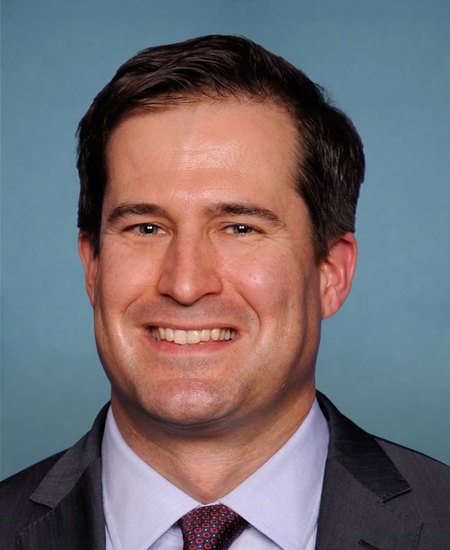
119th Congress Introduced by Seth Moulton and 1 co-sponsor

The bill would require members of the House to publicly disclose details of their official- duties absences to improve transparency and accountability.

Introduced in House
0
WeVote Research Nonpartisan
Bill Summary · HR 9769

Summary of HR 9769 (119th Congress)

Purpose and intent

HR 9769 seeks to increase transparency regarding members of Congress' attendance by requiring disclosures related to absences from official duties. The bill aims to provide more information to the public about when and why lawmakers are absent from voting and other House activities, in order to improve accountability and track attendance patterns.

Key provisions and changes

  • Disclosure obligations: Members of Congress would be required to disclose details surrounding absences from attendance. While the exact statutory language is not provided here, typical provisions of this kind require timely reporting of:
    • Dates of absences
    • Reason(s) for the absence (e.g., illness, family emergency, official travel, other personal reasons)
    • Whether the absence was excused or unexcused
  • Scope of disclosures: The measure would apply to members of the House of Representatives (and, if applicable, House committees or leadership offices) for official duties, including votes, floor debates, committee meetings, and other scheduled activities.
  • Public accessibility: Disclosures would be made available to the public, likely through an official House website or required reporting platform, to ensure transparency.
  • Administrative framework: The bill would establish or reference an administrative process for submitting, verifying, and posting absence disclosures, potentially involving the Clerk of the House or a designated ethics or administrative office.
  • Compliance and penalties: Provisions may specify consequences for failing to disclose absences or for providing false information, potentially including administrative sanctions or recommendations for enforcement.

Who would be affected

  • Primary: Members of the U.S. House of Representatives, who would be responsible for filing the required attendance disclosures.
  • Administrative entities: The House clerical/administrative offices (e.g., Clerk of the House, Office of Compliance or Ethics) responsible for processing, verifying, and publishing disclosures.
  • Public: Constituents, researchers, and watchdog groups interested in attendance patterns and transparency of legislative activity.

Procedural and timeline aspects

  • Introduction: HR 9769 was introduced and referred to the House Committee on House Administration on July 16, 2026.
  • Committee action: The bill's fate depends on committee consideration, potential amendments, and any reported bill to the full House for debate and vote.
  • Sponsor support: Co-sponsors include Rep. Seth Moulton and Rep. Ritchie Torres, indicating initial bipartisan interest in attendance transparency.

Potential impacts and considerations

  • Transparency: The bill would enhance public visibility into attendance, potentially allowing better assessment of member engagement and reliability.
  • Privacy vs. transparency: Public disclosures of absences raise questions about privacy and the appropriate granularity of information shared.
  • Administrative burden: Implementation would require establishing clear filing timelines, acceptable excuse categories, and a public posting mechanism, potentially creating additional workload for congressional staff.
  • Compliance risk: Without robust enforcement, disclosures may be incomplete or inconsistently reported, affecting the bill’s efficacy.

If you’d like, I can tailor this summary to focus on particular audiences (e.g., constituents, researchers, or journalists) or compare to existing attendance disclosure practices.

Compiled from official sources — confirm details with the bill’s official record.

Sign in to ask a question.