

WeVote

Bill

Bill

HR 8002

To require coverage of incarcerated workers under the Fair Labor Standards Act of 1938, and for other purposes.

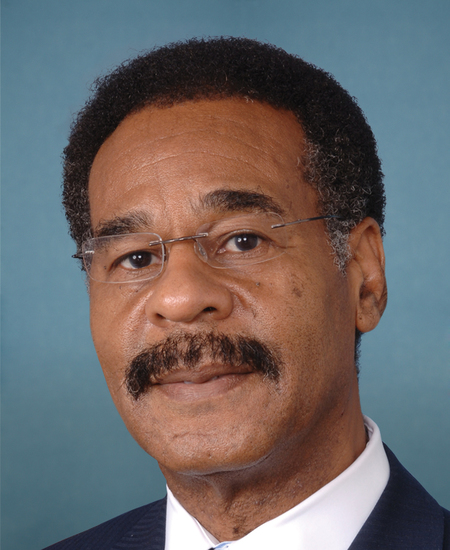
119th Congress Introduced by Emanuel Cleaver and 8 co-sponsors

HR 8002 extends federal wage protections to incarcerated workers, requiring prisons to comply with Fair Labor Standards Act wage and hour requirements rather than allowing unpaid or minimal-wage prison labor.

Introduced in House
0
WeVote Research Nonpartisan
Bill Summary · HR 8002

Legislative bill overview

HR 8002 would extend Fair Labor Standards Act (FLSA) protections to incarcerated workers, requiring compliance with federal wage and hour standards. Currently, incarcerated individuals are largely exempt from FLSA protections, meaning they can be required to work with minimal or no compensation. This bill would fundamentally change that legal framework.

Why is this important

Incarcerated workers represent approximately 1.2 million individuals in U.S. prisons who perform labor ranging from maintenance to manufacturing. The policy change affects prison budgets, labor market dynamics, and fundamental questions about workers' rights and the purpose of incarceration (punishment vs. rehabilitation). States currently save billions annually through low-wage incarcerated labor programs.

Potential points of contention

  • Cost implications: Requiring wage compliance could significantly increase state and federal prison operating budgets, potentially forcing reallocation from other corrections spending or requiring new funding
  • Prison operations and labor availability: Facilities depend on incarcerated workers for essential functions; wage requirements might reduce participation or require hiring outside workers at higher costs
  • Scope and implementation details: Bill language unclear on minimum wage requirements, voluntary vs. mandatory work status, how states with private prisons are affected, and transition timelines for compliance
  • Constitutional questions: Challenges to 13th Amendment language exempting incarcerated individuals from forced labor prohibitions may arise
  • Work incentive vs. coercion debate: Disagreement over whether incarcerated labor is rehabilitation tool or exploitative practice that should be eliminated entirely

Compiled from official sources — confirm details with the bill’s official record.

Sign in to ask a question.