

WeVote

Bill

Bill

HR 8623

GUARD Act

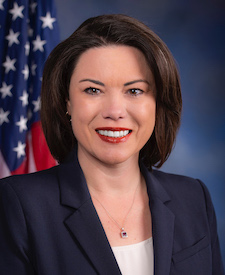
119th Congress Introduced by Angie Craig and 6 co-sponsors

HR 8623 would require consumer chatbots to verify user ages and provide clear disclosures about AI use and data practices.

Introduced in House
2
WeVote Research Nonpartisan
Bill Summary · HR 8623

Summary of HR 8623 (119th Congress)

Title

To require artificial intelligence chatbots to implement age verification measures and make certain disclosures, and for other purposes.

Purpose and intent

The bill seeks to regulate consumer-facing artificial intelligence chatbots by imposing age verification requirements and mandating specific disclosures. Its central aim is to ensure that individuals interacting with AI chatbots are appropriately age-verified and informed about certain aspects of the technology, potentially to protect minors and provide transparency around AI use.

Key provisions (as described by the bill text and summary cues)

  • Age verification requirement for chatbots: AI chatbots used for public or consumer-facing interactions would be required to implement mechanisms to verify the age of users. The bill would likely set standards or methods for how age verification is to be performed (e.g., age checks, user-provided data, or other verification technologies).

  • Disclosures by chatbot operators: Operators would be obligated to disclose specific information to users. While the exact disclosures are not enumerated in the provided summary, typical disclosures in similar legislation include:

    • Indicating that the interaction is with an artificial intelligence system.
    • Explaining the bot’s capabilities and limitations.
    • Noting potential data collection, storage, and usage practices.
    • Providing information on privacy protections and contact avenues for concerns.
  • Scope of coverage: The bill targets artificial intelligence chatbots used in consumer or public-facing settings. It may define or imply applicability to commercial platforms, apps, websites, and other interfaces that deploy chatbots.

  • Enforcement and compliance: While not detailed in the provided excerpt, bills of this nature generally outline penalties for noncompliance and assign enforcement responsibilities to relevant agencies (potentially the FTC, FCC, or a judiciary committee). It may also include deadlines for compliance and phased implementation.

Who would be affected

  • Chatbot operators and developers: Companies and individuals deploying AI chatbots for consumer interactions would need to implement age verification and ensure required disclosures are in place.
  • Online platforms and services: Websites and apps that host or integrate chatbot technology would face compliance obligations if the chatbot is user-facing.
  • Users (especially minors): Consumers engaging with chatbots would experience age-verification steps and receive explicit disclosures about AI use and privacy.

Procedural and timeline aspects

  • Introduced and referred: The bill was introduced on 2026-04-30 and referred to the House Judiciary Committee and, in addition, to the House Energy and Commerce Committee for consideration of provisions within their jurisdictions.
  • Sponsor information: Primary sponsors include Valerie Foushee and Blake Moore, each listed as co-sponsors.
  • Next steps in legislation: The referred committees would review, hold hearings, and potentially amend provisions before reporting the bill back to the floor for a vote. If enacted, the bill would move through the standard Senate process and, upon passage, be presented to the President for signature or veto.

Notable considerations

  • The description here reflects the bill’s stated purpose to verify age and require disclosures. Specifics such as the exact verification methods, the precise disclosures, enforcement mechanisms, penalties, and effective dates would be contained in the full legislative text and any amendments adopted during committee process.

If you’d like, I can tailor this summary to focus on specific audiences (e.g., industry stakeholders, policy researchers, or general public) or drill down once the full text or updated summaries are available.

Compiled from official sources — confirm details with the bill’s official record.

Sign in to ask a question.