

WeVote

Bill

Bill

HR 9093

BRIDGE Act

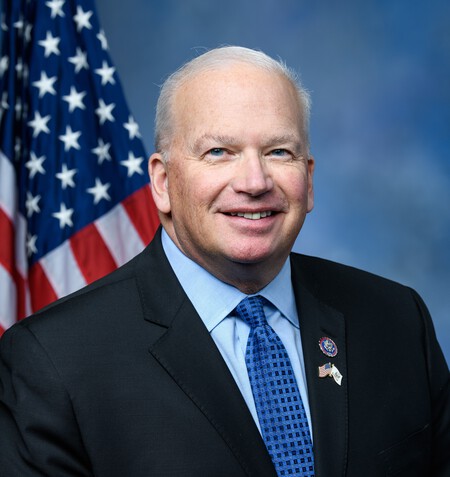
119th Congress Introduced by Scott Fitzgerald and 1 co-sponsor

Requires a formal report on how China’s Belt and Road Initiative may undermine U.S.-led order and a detailed U.S. strategy to counter or mitigate its influence.

Introduced in House
0
WeVote Research Nonpartisan
Bill Summary · HR 9093

Bill overview

  • Name: HR 9093
  • Session: 119
  • Jurisdiction: United States
  • Title: To require a report regarding the scope of efforts by the People’s Republic of China (PRC) and the Chinese Communist Party (CCP) to utilize the Belt and Road Initiative (BRI) to undermine the United States-led international world order and a detailed strategy regarding how the United States Government intends to counter such Initiative, and for other purposes.
  • Status: Introduced and referred to the House Committee on Foreign Affairs on June 2, 2026.
  • Sponsors: Co-sponsors include Rep. Zach Nunn and Rep. Scott Fitzgerald.

Purpose and intent

  • The bill seeks to require the executive branch to produce a formal report assessing how the PRC/CCP use the Belt and Road Initiative to advance strategies that could undermine the United States-led international order.
  • It additionally requires a detailed U.S. government strategy outlining how to counter or mitigate the influence and effects of the Belt and Road Initiative.
  • The underlying aim is to enhance U.S. understanding and posture regarding BRI activities and to establish a deliberate counter-strategy.

Key provisions (highlights)

  • Report on BRI scope and CCP use:

    • Mandates a comprehensive assessment of the Belt and Road Initiative’s reach, activities, funding mechanisms, infrastructure investments, and diplomatic and security implications.
    • Evaluates how BRI projects may align with CCP strategic objectives and potentially undermine U.S.-led international norms.
  • Counter-strategy plan:

    • Requires a detailed strategy from the U.S. government describing objectives, tools, and actions to counter or respond to BRI-related influence.
    • Likely to cover policy, diplomatic, economic, development, and security dimensions (exact mechanisms would be defined in the final bill and accompanying guidance).
  • Policy coordination and oversight:

    • The report and strategy would presumably involve multiple federal agencies (e.g., State, Defense, Treasury, USAID, and related bodies) and require interagency coordination.
    • Potential timelines and milestones for monitoring BRI developments and assessing progress of the counter-strategy.
  • Publication and delivery:

    • The bill specifies a formal reporting requirement to Congress; dates, formats, and whether public release is required would be defined in the enacted text.

Affected entities and impact

  • U.S. government agencies responsible for foreign policy, national security, and international development would be required to develop and coordinate the report and strategy.
  • Congress would receive the mandated report, enabling oversight, discussion, and potential authorizations for follow-on actions.
  • Foreign partners and Belt and Road recipient countries may be indirectly affected through U.S. policy posture and any resulting diplomatic or economic actions embedded in the strategy.

Procedural and timeline considerations

  • Current stage: Introduced and referred to the House Committee on Foreign Affairs as of June 2, 2026.
  • Next steps typically include committee review, potential hearings, markup, and, if approved, passage by the full House and transmission to the Senate.
  • As a reporting-focused bill, timelines would include a defined period for the executive branch to prepare the required report and strategy, with Congress likely requiring periodic updates or an eventual final report.

Potential implications

  • If enacted, the bill would formalize a U.S. government-wide assessment of BRI-related activities and a comprehensive counter-strategy, potentially shaping policy debates, funding priorities, and international engagement with BRI partner countries.
  • Could influence interagency coordination, intelligence sharing, and diplomatic messaging related to China’s global infrastructure initiatives.
  • May lead to increased legislative scrutiny of BRI projects and related U.S. countermeasures.

Note: Details such as exact reporting format, scope, and the specific elements of the counter-strategy would be defined in the final text of the bill and any accompanying committee reports or hearings.

Compiled from official sources — confirm details with the bill’s official record.

Sign in to ask a question.