

WeVote

Bill

Bill

HR 8602

Davis-Bacon Repeal Act

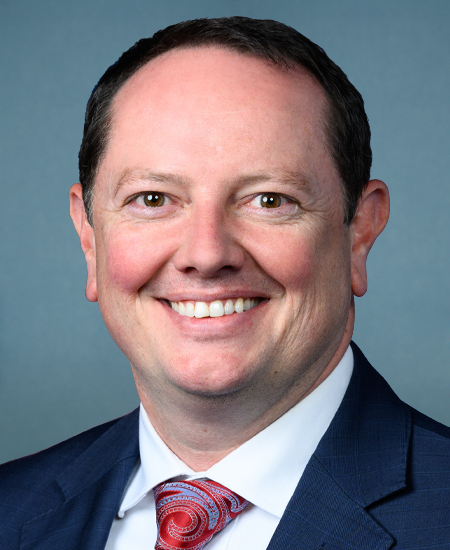
119th Congress Introduced by Eric Burlison and 1 co-sponsor

Repeals the Davis-Bacon Act wage requirements, so federally funded construction no longer must pay prevailing local wages to workers.

Introduced in House
1
WeVote Research Nonpartisan
Bill Summary · HR 8602

Summary of HR 8602 (118th/119th Congress context as provided)

Note: This summary reflects the bill’s stated text and actions as of the provided information. It does not reflect any future amendments or final passage status beyond the action history shown.

Title and Purpose

  • Bill: HR 8602
  • Session: 119
  • Jurisdiction: United States
  • Official Title: “To repeal the wage requirements of the Davis-Bacon Act.”
  • Primary Aim: Eliminate the wage requirement provisions currently imposed by the Davis-Bacon Act (DBA), effectively removing the requirement that federally funded or assisted construction projects pay prevailing wages to workers.

Background Context (What the bill would change)

  • The Davis-Bacon Act requires contractors and subcontractors on certain federal construction projects to pay workers prevailing wages and fringe benefits as determined by the Department of Labor (DOL) for the locality of the project.
  • HR 8602 proposes repealing these wage requirements, thereby aligning federal construction wage practices with alternative wage standards (i.e., not applying DBA prevailing wage mandates on covered projects).

Key Provisions (high-level)

  • Repeal of DBA Wage Requirements: The core provision would remove the statutory obligation to pay prevailing wages on federally funded or assisted construction projects under the Davis-Bacon framework.
  • Scope of Repeal: The summary indicates a blanket repeal of wage requirements tied to the Davis-Bacon Act; the bill text would specify the exact construction contracts and funded activities affected, including any transition rules (if provided).
  • Relation to Other Labor Standards: The bill’s focus is specifically on Davis-Bacon wage requirements. It does not (in the provided description) repeal or modify other federal wage or labor standards outside DBA’s prevailing-wage regime.

Who Would Be Affected

  • Construction Contractors and Subcontractors on Federal Projects: Those subject to DBA prevailing wage requirements would no longer be bound by DBA wage determinations on covered projects.
  • Laborers and Construction Workers on Federally Funded Projects: Wages on affected projects could be determined by non-DBA standards or other applicable rules, depending on subsequent statutory or administrative guidance.
  • Federal Agencies and Project Owners: Agencies administering federally funded or assisted construction would adjust procurement and wage compliance obligations accordingly.

Procedural and Timeline Aspects

  • Introduced: 2026-04-30
  • Referred to Committee: 2026-04-30
    • Committee of Jurisdiction: Education and Workforce
  • Next Steps (typical process):
    • Committee may review, amend, and potentially report the bill to the House.
    • Floor consideration would follow if reported favorably, potentially leading to votes in the full House.
  • Co-Sponsors: Eric Burlison; Barry Moore (two listed co-sponsors).

Practical Implications and Considerations

  • Policy Implications: Repealing DBA wage requirements would remove a long-standing mechanism intended to standardize wages on federal construction projects based on local wage data. Proponents often argue it reduces project costs and regulatory burdens; opponents may raise concerns about wage standards and worker protections.
  • Economic Impacts: Potential changes in labor costs for federally funded projects, with ripple effects on bid competitiveness, local wage levels, and project staffing.
  • Administrative Considerations: Shifts in how wages are determined on federal projects after repeal, including what standards replace DBA requirements (if any) would need to be defined by statute or implementing rules.

If you’d like, I can tailor this summary to a specific audience (e.g., policymakers, contractors, or general public) or add a section with potential fiscal and regulatory impact considerations once more detailed bill text is available.

Compiled from official sources — confirm details with the bill’s official record.

Sign in to ask a question.