

WeVote

Bill

Bill

HR 9009

Firearm Freedom Act of 2026

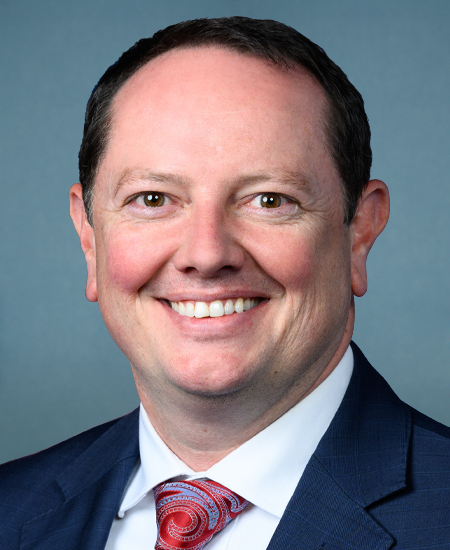
119th Congress Introduced by Eric Burlison and 9 co-sponsors

The bill repeals the Hughes Amendment, restoring civilian access to certain firearms previously restricted, and requires regulatory updates to reflect the change.

Introduced in House
1
WeVote Research Nonpartisan
Bill Summary · HR 9009

Summary of HR 9009 (119th Congress)

Purpose and intent

  • HR 9009 seeks to repeal the Hughes Amendment to the Firearm Owners’ Protection Act (FOPA). The Hughes Amendment, enacted in 1986, restricts civilian possession of handgun information and, more specifically, bans the transfer or possession of serialized, short-barreled, or certain other firearms by individuals who are not prohibited from possessing firearms. Repealing the amendment would remove that specific ban or restriction, returning more latitude to civilians regarding the legality and possession of certain firearms that were previously constrained under the Hughes provisions.

Key provisions and changes

  • Repeal of the Hughes Amendment: The central provision would eliminate the Hughes Amendment's restrictions that limit civilian ownership or transfer of certain firearms, particularly regarding machine guns and other Class III- or similar-regulated firearms that were restricted under the amendment.
  • Regulatory alignment: The bill would adjust statutory language across the relevant sections of FOPA to reflect the removal of the Hughes Amendment, potentially restoring or broadening civilian access to certain firearms that had been restricted since 1986.
  • Scope of firearms affected: While the Hughes Amendment primarily targeted fully automatic firearms and related devices, the repeal could impact the interpretation and enforcement of firearm classifications and transfers under federal law, including those involving machine guns and other regulated firearms.
  • Compliance and enforcement: The bill would necessitate updates to Bulletins, NICS procedures, ATF regulations, and transfer requirements to align with the repeal, including any necessary changes to registrations, transfers, and eligibility checks for affected firearms.

Who or what would be affected

  • Firearm owners and potential buyers: Individuals seeking possession or transfer of certain firearms that were previously restricted under the Hughes Amendment could experience expanded access, subject to existing federal, state, and local laws.
  • Firearms industry and dealers: Opportunity for broader sales and transfer activity concerning the affected firearms; require compliance updates and potential licensing considerations.
  • Law enforcement and regulatory agencies: Agencies such as the ATF and related federal entities would implement regulatory changes, update guidance, and adjust enforcement practices accordingly.
  • Legal and judiciary considerations: Courts may address any transitional issues or challenges arising from the repeal as it interacts with existing provisions of FOPA and other gun laws.

Procedural and timeline aspects

  • Referral: The bill was referred to the House Judiciary Committee on May 22, 2026.
  • Introductory status: The bill was introduced in the House on May 22, 2026.
  • Sponsorship: The bill lists several co-sponsors, including Andrew Clyde, Tony Wied, Jimmy Patronis, and Michael Cloud, signaling bipartisan or cross-party interest.
  • Next steps: As a Committee on Judiciary consideration is anticipated, followed by potential floor action, markup, and votes. If enacted, the repeal would typically involve regulatory rulemaking or statutory harmonization to remove the Hughes Amendment language from the U.S. Code.

Notes

  • The summary above focuses on the stated objective to repeal the Hughes Amendment and the likely regulatory implications. The actual text of HR 9009 would specify exact wording, transitional provisions, and any sunset or compensation clauses, if present. Readers should consult the bill’s full text and official summaries for precise language and any additional provisions.

Compiled from official sources — confirm details with the bill’s official record.

Sign in to ask a question.