

WeVote

Bill

Bill

HR 9105

SAFEGUARD Veterans Act of 2026

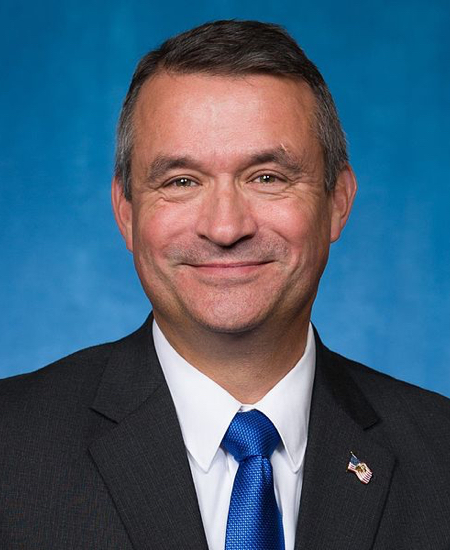
119th Congress Introduced by Don Bacon and 11 co-sponsors

Reinstates criminal penalties for charging veterans unauthorized or improper fees for VA benefits claims, aiming to deter exploitation by third-party representatives.

Referred to the Subcommittee on Disability Assistance and Memorial Affairs.
0
WeVote Research Nonpartisan
Bill Summary · HR 9105

Overview

HR 9105 is a House bill introduced in the 119th Congress that aims to reinstate criminal penalties for individuals who charge veterans unauthorized fees in connection with claims for benefits under the laws administered by the Department of Veterans Affairs (VA). The bill also includes related provisions for other purposes. It is sponsored and co-sponsored by several Members of Congress and was referred to the Committee on Veterans’ Affairs and, in addition, to the Committee on Energy and Commerce.

Primary purpose and intent

  • Reinstatement of criminal penalties on individuals who charge veterans unauthorized or improper fees for VA benefit claims.
  • The intent is to deter and penalize third-party entities or other actors who improperly charge veterans for assistance with filing or pursuing VA benefits claims.
  • The bill seeks to align with or restore prior statutory protections intended to protect veterans from exploitation in the claims process.

Key provisions and changes

  • Reinstatement of criminal penalties: The core provision would reestablish criminal penalties for charging veterans unauthorized fees related to VA benefits claims. This could involve criminal statutes and penalties for improper fee charges.
  • Scope of protection: The protections would cover services or assistance provided in connection with claims under laws administered by the VA, potentially including representations made to VA benefits programs.
  • Related or ancillary measures: The bill may include additional provisions clarifying enforcement mechanisms, definitions of prohibited fees, and the roles of VA, prosecutors, and law enforcement in enforcing the penalties.
  • For other purposes: The bill may contain ancillary provisions that address related issues or housekeeping changes, potentially affecting VA processes or other related statutes.

Note: The text provided does not include the full statutory language, so exact thresholds, allowable vs. prohibited fees, penalties (e.g., fines, imprisonment), and enforcement details are not specified here. The described provisions reflect the stated aim to reinstate criminal penalties for unauthorized fees.

Who would be affected

  • Veterans who seek or pursue VA benefits with the help of third-party representatives (e.g., attorneys, consultants, or lobbyists) who might charge fees.
  • Individuals or entities that provide assistance with VA benefits claims and that historically were subject to unauthorized-fee prohibitions (e.g., representatives who charge upfront or contingent fees not approved by law).
  • Law enforcement, prosecutors, and VA officials responsible for enforcement and oversight of benefits claims processes.
  • Potentially, professional associations and firms that provide VA claim-related services, as they may need to adjust fee practices to comply with the reinstated penalties.

Procedural and timeline aspects

  • Introduction and referrals: The bill was introduced in the House and referred on June 2, 2026, to the Committee on Veterans’ Affairs and, separately, to the Committee on Energy and Commerce for consideration of provisions falling under those committees’ jurisdictions.
  • Committee review: The action history indicates a period-to-be-determined determination by the Speaker for consideration of provisions within each committee’s jurisdiction. The bill would proceed through committee considerations, potential amendments, and reports before any floor action.
  • Next steps: If reported favorably, it would move to the House floor for debate and vote. If passed, it would move to the Senate, where experienced alignment with existing VA fee-authorization rules and penalties would be necessary for enactment. Presidential approval or veto would follow.

Additional notes

  • The bill’s impact hinges on the precise language defining “unauthorized fees,” the applicable criminal penalties, and enforcement procedures. The current summary covers the bill’s stated objective to reinstate criminal penalties and protect veterans from improper fee charges.
  • As introduced, the bill could require coordination with the VA and law enforcement to establish or reinforce enforcement mechanisms and determine appropriate penalties and compliance requirements.

Compiled from official sources — confirm details with the bill’s official record.

Sign in to ask a question.