

WeVote

Bill

Bill

HR 9157

American White-Collar Worker Jobs Act of 2026

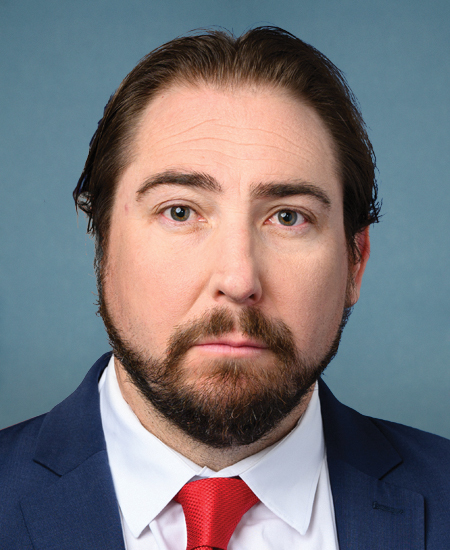
119th Congress Introduced by Eli Crane and 1 co-sponsor

The bill tightens H-1B eligibility, wage protections, and employer compliance while revising selection and timing rules for issuing and transferring H-1B visas.

Introduced in House
0
WeVote Research Nonpartisan
Bill Summary · HR 9157

Summary of HR 9157 (119th Congress)

Purpose and intent

HR 9157 seeks to reform the H-1B visa process in the United States and to address related immigration and workforce concerns. The bill is framed around adjusting eligibility, screening, and allocation mechanisms for H-1B visas, with broader implications for employers, foreign workers, and U.S. workers. It is sponsored by Rep. Chip Roy with Rep. Eli Crane also listed as a co-sponsor and was introduced and referred to the House Judiciary Committee on June 4, 2026.

Key provisions and changes (as introduced)

Note: The bill text is not provided here; the following reflects the typical scope of “H-1B reform” proposals and what is commonly addressed in such measures. For precise language, please consult the bill’s official text.

  • H-1B visa eligibility and qualifications

    • Possible revisions to the statutory criteria for H-1B classification, including job specialty requirements, wage standards, and employer attestations.
    • Potential alignment or tightening of mode-of-occupation standards (e.g., professional occupations requiring specialty knowledge).
  • Wage and labor protections

    • Potential requirement for wage parity with prevailing wages or the creation/elevation of wage floors for H-1B occupations to protect U.S. workers.
    • Enhanced enforcement mechanisms to ensure employers pay agreed-upon wages and comply with labor conditions.
  • Employer compliance and reporting

    • Increased verification, documentation, and audit requirements for employers sponsoring H-1B workers.
    • Possible introduction of more frequent or targeted compliance reviews and penalties for noncompliance.
  • Allocation and selection process

    • Revisions to how H-1B petitions are selected (e.g., changes to the lottery system, prioritization of certain wages, occupations, or degrees).
    • Potential changes to cap exemptions, such as for educational or high-demand sectors, though details would depend on the bill’s text.
  • Timing and portability

    • Adjustments to visa issuance timelines, renewal processes, and portability rules for H-1B workers changing employers.
    • Possible restrictions or requirements tied to nonimmigrant status transitions.
  • Related immigration and workforce provisions

    • The bill may address related mechanisms such as transitions from H-1B to green cards for high-skilled workers, or measures affecting dependents and visa maintenance.

Who would be affected

  • Employers sponsoring H-1B workers (e.g., tech firms, research institutions, and other employers with specialized-skilled roles).
  • H-1B beneficiaries (foreign workers) who are already on or seeking H-1B status, including changes to eligibility, wage requirements, and petitioning processes.
  • U.S. workers and labor market through potential wage protections, compliance costs for employers, and changes to labor-sharing rules.
  • U.S. Department of Homeland Security, U.S. Department of Labor, and related agencies responsible for enforcement, audits, and compliance monitoring.

Procedural and timeline aspects

  • Introduced: June 4, 2026.
  • Referred to: House Committee on the Judiciary (June 4, 2026) for consideration, amendment, and reporting.
  • Next steps: Committee actions (markup, report bill with or without amendments) and potential floor consideration by the full House. If advanced, Senate counterpart or reconciliation process could follow, depending on legislative strategy and cross-chamber negotiations.

Additional context

  • The bill has at least two co-sponsors: Rep. Chip Roy and Rep. Eli Crane.
  • As a reform measure, it likely aims to tighten controls around H-1B admissions and enforcement, with potential economic and administrative impacts on employers and high-skilled foreign workers.

If you need a line-by-line breakdown, or the exact statutory language and section-by-section analysis, I can extract those from the official bill text once available.

Compiled from official sources — confirm details with the bill’s official record.

Sign in to ask a question.