

WeVote

Bill

Bill

HR 8333

YouthBuild for the Future Act

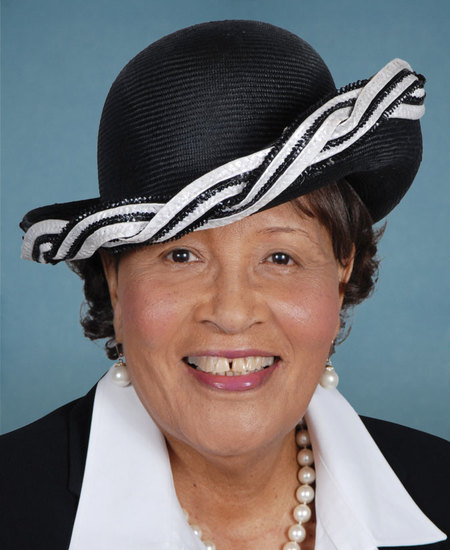
119th Congress Introduced by Alma Adams and 19 co-sponsors

Reauthorizes and updates the YouthBuild program to continue federal funding and support for education, job training, and placement services for at-risk youth ages 16–24.

Introduced in House
0
WeVote Research Nonpartisan
Bill Summary · HR 8333

Summary of HR 8333 (117th? 119th Congress) — Reauthorize the YouthBuild Program

Note: The following summary reflects the bill's stated purpose, key provisions, and potential impact based on the bill text details provided in the request. It is intended to be an objective, nonpartisan briefing suitable for general readers and policy professionals.

1) Purpose and Intent

  • Main purpose: Reauthorize and update the YouthBuild program. The bill aims to continue federal support for YouthBuild activities, which typically focus on providing education, job training, career pathways, and supportive services to at-risk or low-income youth, especially those who are out of school or have limited opportunities.
  • Broader aims: Improve youths’ employment outcomes, provide hands-on skill development, and connect participants with post-program opportunities in education, training, and employment.

2) Key Provisions and Changes

While the exact text of HR 8333 is not provided here, reauthorization bills of this type commonly include the following elements. The summary below reflects typical components that accompany YouthBuild reauthorization efforts and may appear in HR 8333:

  • Program Authorization and Funding:
    • Reauthorization of the YouthBuild program (continuing authorization of federal grants or contracts).
    • Specification of funding levels for a defined period, including potential appropriations for administrative costs, programmatic activities, and participant stipends or services.
  • Eligible Applicants and Partners:
    • Clarification of eligible entities (e.g., nonprofit organizations, community-based organizations, workforce development boards, school districts, institutions of higher education) that can apply for YouthBuild grants.
    • Encouragement of partnerships with local employers, training providers, mentors, and community organizations.
  • Participant Services and Outcomes:
    • Requirements or guidance on services for participants (e.g., academic remediation, GED/credential attainment, occupational skills training, job placement assistance, supportive services such as transportation, child care, and housing assistance).
    • Metrics or targets related to credential attainment, high school diploma/GED completion, job placement, retention, and unsubsidized employment.
  • Program Design and Implementation:
    • Standards for program design, including integration of education and construction or construction-related training, green/eco-friendly building practices, or other in-demand sectors.
    • Emphasis on hands-on, project-based learning and community service components (e.g., building or renovating affordable housing, community facilities).
  • Accountability and Reporting:
    • Annual reporting requirements to the U.S. Department of Education or relevant federal agency administering the program.
    • Performance accountability measures, with potential consequences for underperforming grantees or a framework for renewing or withholding funds.
  • Equity and Access:
    • Provisions to increase access for historically underserved populations, including out-of-school youth, youths with disabilities, and those facing barriers to education and employment.
  • Evaluation and Innovation:
    • Authorization for evaluation activities to assess program effectiveness, and potential authorizations for pilot or innovative approaches within YouthBuild.
  • Administrative Provisions:
    • Definitions, allowed activities, cost-sharing or matching requirements (if any), and alignment with other federal workforce and education programs.

If you have the bill’s text, I can extract precise sections, numbers, and requirements (e.g., exact authorized funding amounts, duration, misconduct provisions, and evaluation timelines).

3) Who and What Would Be Affected

  • Participants: Youths ages typically 16–24, particularly those who are out of school or facing barriers to education and employment, who would be eligible to enroll in YouthBuild programs.
  • Organizations: Nonprofits, community-based organizations, school districts, institutions of higher education, workforce boards, and partner entities that administer YouthBuild grants or operate authorized programs.
  • Local Employers and Communities: Employers and community partners who participate in training, apprenticeships, or placement opportunities and benefit from a better-skilled local workforce.
  • Federal Agencies: Likely the U.S. Department of Education (or an administering federal agency) responsible for grant awards, monitoring, and reporting related to the YouthBuild program.

4) Procedural and Timeline Aspects

  • Introduction and Referral:
    • Introduced in the House (April 16, 2026) and referred to the House Committee on Education and Workforce.
  • Next Steps in Legislation:
    • Committee consideration, potential markup, and floor action (votes in committee and on the House floor) before any potential Senate consideration and presidential assent.
  • Implementation Timeline (typical):
    • If enacted, funding and program guidance would be issued for the upcoming grant cycles, with multi-year authorization often spanning 4–5 years, contingent on appropriations and reauthorization cycles.

5) Additional Notes

  • The bill lists a broad group of co-sponsors, indicating bipartisan support across various districts, and signaling alignment with workforce development and youth education priorities.
  • Specific dollar amounts, grant durations, performance targets, and implementation details would be defined in the enacting text or accompanying budget documents.

If you provide the full text or specific sections of HR 8333, I can produce a more precise, section-by-section summary with exact figures, timelines, and compliance requirements.

Compiled from official sources — confirm details with the bill’s official record.

Sign in to ask a question.