

WeVote

Bill

Bill

HR 8565

ATIIP Reauthorization and Improvement Act

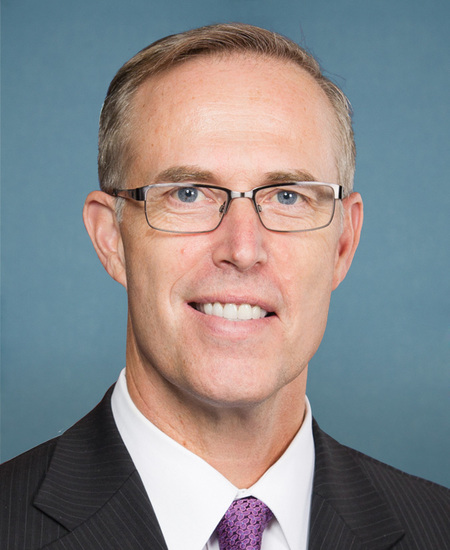
119th Congress Introduced by Jared Huffman and 2 co-sponsors

Reauthorizes funding for the active transportation infrastructure program to advance biking, walking, and other noncar transportation projects across communities.

Introduced in House
0
WeVote Research Nonpartisan
Bill Summary · HR 8565

Bill Summary: HR 8565 (119th Congress) — To reauthorize the active transportation infrastructure investment program, and for other purposes

Note: This summary is based on the bill’s title, sponsor information, and the action history provided. For precise legislative text, provisions, and any amendments, consult the official bill documents and committee reports.

1) Purpose and Intent

  • Primary aim: Reauthorize and continue funding for the active transportation infrastructure investment program.
  • Broad objective: Support the development, improvement, and expansion of active transportation networks (e.g., bicycle and pedestrian facilities) as part of national infrastructure investments.
  • Significance: Seeks to ensure ongoing federal support for projects that promote safer, more efficient, and healthier transportation options.

2) Key Provisions and Changes (as implied by title)

  • Reauthorization: Extends or renews the authorization authority for the active transportation infrastructure investment program, likely providing funding authorization amounts, duration, and program scope.
  • Program scope: Emphasizes active transportation modes, such as walking, biking, and possibly multi-use paths, lanes, and bridges that facilitate non-m机动车 transportation.
  • Project eligibility: Likely includes criteria for which projects qualify (e.g., safety improvements, connectivity, accessibility, and regional planning integration).
  • Funding mechanisms: Could specify grant programs, funding formulas, allocation priorities, match requirements, or federal share for projects.
  • Compliance and reporting: May require performance reporting, project milestones, and oversight provisions to ensure funds are used for eligible active transportation projects.
  • Related policy goals: May align with goals such as reducing traffic congestion, improving air quality, promoting public health, and supporting economic development through enhanced mobility.

3) Who/What Would Be Affected

  • State, local, and tribal governments: Primary recipients and project sponsors for grant funding and program administration.
  • Metropolitan planning organizations (MPOs) and regional authorities: Involved in planning and prioritizing active transportation projects within regional plans.
  • Private sector and nonprofit partners: Potential beneficiaries and collaborators on project design, construction, and operations.
  • General public: Communities benefited through safer pedestrian and bicycle infrastructure, improved access to services, and enhanced transportation options.

4) Procedural and Timeline Aspects

  • Introduction: Bill introduced in the House and assigned to the Committee on Transportation and Infrastructure.
  • Referral: Referred to the House Committee on Transportation and Infrastructure (as of 2026-04-29).
  • Legislative process: Typical steps would include committee markups, potential amendments, floor consideration, and companion action in the Senate (if applicable) for final passage.
  • Sponsorship: Co-sponsors include Chris Pappas, Mike Quigley, and Jared Huffman, indicating bipartisan and diverse district involvement.

5) Additional Considerations

  • Fiscal impact: Reauthorization generally involves appropriations or authorization ceilings; exact funding levels and sunset dates would be defined in the bill text.
  • Implementation timeline: Reauthorization bills may set effective dates for new funding programs and transition provisions for ongoing projects.
  • Relationship to broader transportation policy: Likely complements highway and transit programs by prioritizing multimodal infrastructure and safety.

If you’d like, I can pull the official bill text or committee report to provide a more detailed, line-by-line breakdown of provisions, funding levels, and specific eligibility criteria.

Compiled from official sources — confirm details with the bill’s official record.

Sign in to ask a question.