

WeVote

Bill

Bill

HR 9261

Comprehensive Paid Leave for Federal Employees Act

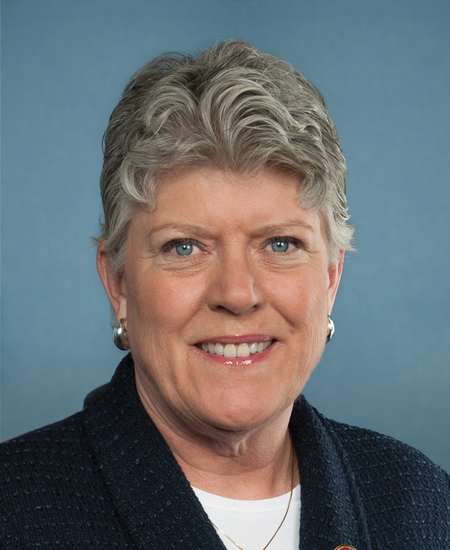
119th Congress Introduced by Julia Brownley and 14 co-sponsors

Provides paid family and medical leave to federal employees.

Referred to the Subcommittee on Oversight and Investigations.
0
WeVote Research Nonpartisan
Bill Summary · HR 9261

Summary of HR 9261 (119th Congress)

Purpose and intent

  • HR 9261 seeks to provide paid family and medical leave to federal employees. The bill also includes other related provisions likely aimed at expanding leave access and ensuring consistent administration for federal workforce policies.

Key provisions and changes (as implied by title and typical design of such bills)

  • Establishment of paid family and medical leave for federal employees:
    • Leaves eligible federal employees for family caregiving, bonding with a new child, andmedical needs.
    • Provides paid time off funded through a government mechanism (often a combination of Treasury funding, payroll withholding adaptations, or a federal leave program).
  • Leave duration and compensation (likely framework):
    • Specifies maximum leave duration per event (e.g., up to several weeks or months, consistent with other federal or district-level paid leave programs).
    • Defines pay replacement rate (e.g., a percentage of regular salary) during the leave period.
  • Eligibility and coverage:
    • Applies to federal employees across agencies, possibly excluding temporary or certain contract workers unless explicitly included.
    • Clarifies eligibility criteria (e.g., length of service, employment status).
  • Administration and compliance:
    • Requires federal agencies to administer and track leave entitlements.
    • Establishes reporting, recordkeeping, and enforcement mechanisms to ensure compliance.
  • Interplay with existing federal leave laws:
    • Integrates with or amends provisions from FMLA (Family and Medical Leave Act) and/or annual leave policies within the federal system.
    • Addresses coordination with other paid leave programs (e.g., sick leave, annual leave) and federal payroll systems.

Who would be affected

  • Primary: Federal employees across executive, legislative, and judicial branches eligible for paid family and medical leave.
  • Agencies: Federal agencies would implement, administer, and track leave usage, budgets, and compliance.
  • Potential beneficiaries: Employees requiring leave for caregiving, childbirth/adoption, or medical reasons.

Procedural and timeline aspects

  • Introduction and referral:
    • Introduced in the House and referred on 2026-06-11 to the Committee on Oversight and Government Reform, along with the Committees on Veterans' Affairs and House Administration for consideration of related provisions.
  • Next steps:
    • Committee hearings, markup, and potential amendments would determine final language.
    • If approved by committees, bill would move to full House consideration and, subsequently, potentially to the Senate and/or conference committee.
  • Any funding or fiscal note:
    • Bills creating universal or broad-paid leave typically require appropriation or reallocation of funds; a fiscal impact statement would usually accompany subsequent steps.

Notable sponsorship

  • Co-sponsors include:
    • Chrissy Houlahan
    • Eleanor Holmes Norton
    • Kweisi Mfume
    • Julia Brownley
    • Brian Fitzpatrick

If you’d like, I can tailor this summary to focus on specific aspects (e.g., funding mechanisms, comparison to existing federal leave policies, or potential fiscal impact) once more detail from the bill text becomes available.

Compiled from official sources — confirm details with the bill’s official record.

Sign in to ask a question.