

WeVote

Bill

Bill

HR 8395

PACE Act of 2026

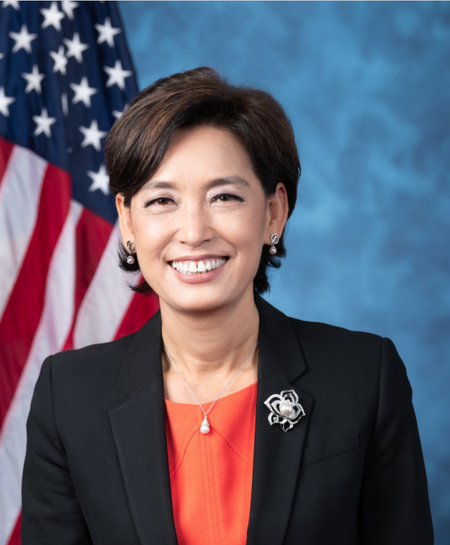
119th Congress Introduced by Young Kim and 1 co-sponsor

Establishes a federal registration and regulatory framework for registered covered providers with ongoing oversight, disclosures, capital, risk, and enforcement requirements.

Introduced in House
0
WeVote Research Nonpartisan
Bill Summary · HR 8395

Summary of HR 8395 (119th Congress)

Title

To provide for the regulation of registered covered providers, and for other purposes.

Objective and Purpose

  • Establishes a regulatory framework governing a defined category known as "registered covered providers." The bill aims to create oversight, compliance, and accountability mechanisms for these providers to protect consumers, promote financial stability, and ensure transparent operations.

Key Provisions and Changes

  • Registration and Regulation Framework

    • Creates or specifies a process for registering entities identified as covered providers.
    • imposes ongoing regulatory requirements on registered providers, including disclosure, reporting, and governance standards.
  • Supervisory Structure

    • Designates a federal regulator (implied by the jurisdiction) responsible for supervising registered covered providers.
    • Establishes supervisory powers, including examinations, audits, and enforcement tools to address violations or risk factors.
  • Consumer Protections and Disclosure

    • Mandates certain disclosures to consumers, such as terms of service, fees, and potential conflicts of interest.
    • Introduces consumer protection safeguards to enhance transparency and protect user rights.
  • Capital, Risk, and Compliance Standards

    • Sets financial and risk management standards that registered providers must meet, including capital requirements, liquidity considerations, and internal controls.
    • Requires compliance programs, risk assessment processes, and periodic risk reporting.
  • Enforcement and Sanctions

    • Outlines enforcement mechanisms for non-compliance, including penalties, consent orders, and potential revocation of registration.
    • Provides a framework for administrative proceedings and appeals.
  • Data Privacy and Security

    • Establishes standards for data handling, privacy, and cybersecurity applicable to registered providers.
  • Transition and Phase-In Provisions

    • Includes timelines for entities to register or come into compliance.
    • May provide grace periods or phased implementation to allow firms to meet new requirements.

Who Would Be Affected

  • Registered Covered Providers
    • Entities that meet the criteria defined in the bill for coverage (likely financial-service or intermediary firms with consumer-facing activities and specific risk profiles).
  • Consumers and Users
    • Individuals and businesses engaging with these providers would gain enhanced disclosures, protections, and recourse options.
  • Regulatory and Compliance Personnel
    • Compliance officers, risk managers, and legal teams within affected entities would need to implement new policies, reporting, and governance structures.
  • Market Participants
    • The broader financial or service market could see changes in competition, operational costs, and capital requirements as providers adapt to the regulatory regime.

Procedural and Timeline Considerations

  • Introduction and Referral
    • Introduced in the House and referred to the House Committee on Financial Services (April 21, 2026). Co-sponsored by Rep. Young Kim.
  • Rulemaking and Compliance Timelines
    • The bill likely includes effective dates for registration and compliance, with potential phase-in periods. Exact dates would be specified in the text.
  • Regulatory Oversight Timeline
    • Once in effect, the regulator would begin registration, examinations, and enforcement activities according to the statute’s schedules.

Additional Notes

  • Specifics such as the precise definition of "registered covered providers," the list of mandatory disclosures, exact capital and liquidity thresholds, and the precise penalties are not provided in the summary action. Reading the enrolled bill text would yield the detailed criteria, registration process, and enforcement framework.
  • A co-sponsor is Rep. Young Kim, indicating bipartisan sponsorship dynamics typical of financial services regulatory measures.

If you’d like, I can pull in the exact statutory language and provide line-by-line mapping of provisions to the summary points.

Compiled from official sources — confirm details with the bill’s official record.

Sign in to ask a question.