

WeVote

Bill

Bill

HR 9488

Health Disparity Zones Act of 2026

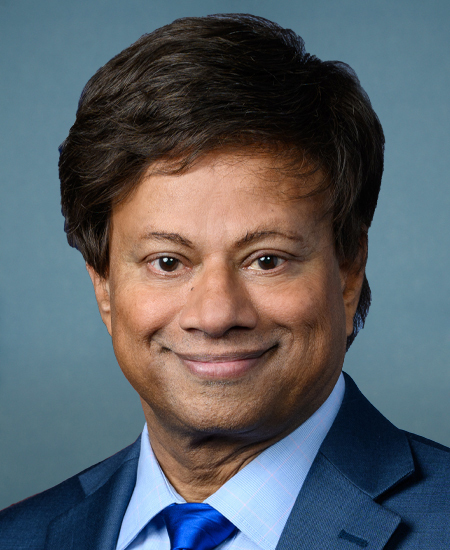
119th Congress Introduced by Shri Thanedar

Designates Health Disparity Zones to target federal resources and programs toward areas with pronounced health inequities to improve outcomes.

Introduced in House
0
WeVote Research Nonpartisan
Bill Summary · HR 9488

Overview

House Bill HR 9488 (Session 119) proposes designating certain geographic areas as Health Disparity Zones with the aim of reducing health disparities and improving health outcomes. The bill would establish a framework for identifying eligible zones, directing resources and policy actions to address inequities in health status, access to care, and determinants of health within those areas. It was introduced in the House and referred to the Committee on Energy and Commerce, and to the Committee on Ways and Means, for consideration of provisions within their jurisdictions. The bill has a co-sponsor: Shri Thanedar.

Purpose and Intent

  • Create designated Health Disparity Zones to focus federal attention and resources on areas with pronounced health inequities.
  • Provide a mechanism to implement targeted interventions intended to improve health outcomes and reduce disparities across populations within those zones.

Key Provisions and Provisions Improvements

Note: Based on the bill’s title and referral history, the following are expected elements typical to health disparity zone designations. The actual text of HR 9488 would specify precise authorities, programs, and definitions; the summary below reflects the core concepts implied by such legislation.

  • Designation Criteria: Establish criteria for identifying Health Disparity Zones, likely based on measures such as health status indicators, access to care, social determinants of health, and demographic factors (e.g., income, race/ethnicity, geographic concentration of health disparities).
  • Federal Designation and Coordination: Create a formal process for federal designation, with roles for relevant agencies (potentially including Health and Human Services components, CDC, CMS, and others) and coordination with state, local, and tribal governments.
  • Authorized Activities and Programs: Authorize targeted activities within designated zones, which may include:
    • Expanded public health funding and programs addressing preventive services, chronic disease management, maternal and child health, mental health, and substance use.
    • Initiatives to improve access to care, including transportation, telehealth expansion, workforce development, and community health worker programs.
    • Investment in social determinants of health interventions (housing, nutrition, education, employment).
  • Reporting and Evaluation: Require performance reporting and outcome evaluations to measure progress in reducing disparities and improving health metrics within zones.
  • Funding and Budgetary Provisions: Outline the sources of funding, potential appropriations, and any matching requirements or waivers specific to Health Disparity Zones.
  • Authorization Periods: Specify the duration of a zone designation and possible renewal procedures, along with sunset and continuation criteria if applicable.

Who/What Would Be Affected

  • Residents of designated Health Disparity Zones who experience higher burdens of illness, lower access to care, or poorer health outcomes relative to other areas.
  • Health systems and providers operating within zones, including hospitals, clinics, community health centers, and public health departments, which may receive targeted funding and support.
  • State and local governments, tribal authorities, and community organizations participating in zone designation processes or implementing funded programs.
  • Federal agencies involved in health programs, data collection, and grant administration, with new authorities or directives to support zone-specific efforts.

Procedural and Timeline Considerations

  • Early Stage: Introduction and referrals to the House committees with jurisdiction (Energy and Commerce; Ways and Means) for consideration of provisions within those committees' domains.
  • Potential Actions: Committee hearings, markups, and reporting could occur as the bill progresses through the legislative process.
  • Implementation Timeline: If enacted, designation of zones and rollout of programs would follow prescribed federal processes, with initial funding cycles, performance reporting, and evaluation milestones outlined in the bill.
  • Evaluation and Reauthorization: Ongoing assessment of effectiveness with potential reauthorization, program adjustments, or expansion based on outcomes.

Important Notes

  • The summary above reflects common structural elements of health disparity-focused designations; exact provisions, definitions, dollar amounts, and timelines will be specified in the bill’s text.
  • The presence of a co-sponsor (Shri Thanedar) indicates support within the House; final passage would depend on committee action and broader legislative process.

If you’d like, I can tailor this summary once the bill text is available, to extract specific definitions, funding levels, and implementation steps.

Compiled from official sources — confirm details with the bill’s official record.

Sign in to ask a question.