

WeVote

Bill

Bill

HR 5888

To provide for limitations on the implementation and enforcement of a global carbon tax with respect to the United States.

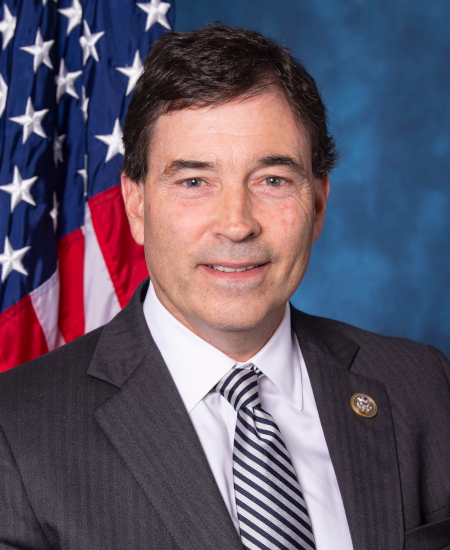
119th Congress Introduced by Troy Balderson and 12 co-sponsors

The UNtaxed Act prohibits the UN from imposing taxes, tariffs, or penalties on U.S. citizens or companies without Senate approval, protecting Americans from global carbon taxation.

Introduced in House
0
WeVote Research Nonpartisan
Bill Summary · HR 5888

HR 5888 - UNtaxed Act

Summary

The UNtaxed Act is a bill introduced in the U.S. House of Representatives that aims to limit the ability of the United Nations (UN) and its affiliated bodies to impose a global carbon tax on U.S. citizens and companies. The key provisions of the bill are:

  1. Prohibition on UN Taxes, Tariffs, Fees, or Penalties: The bill prohibits the UN or any UN-affiliated body from levying any tax, tariff, fee, or other penalty on U.S. citizens or companies, unless such action is taken under an agreement that has received the Senate's advice and consent for ratification.

  2. Limitation on Funding for Global Carbon Taxes: The bill prohibits the appropriation or use of U.S. funds for assessed or voluntary contributions to the UN or UN-affiliated bodies that would be used to implement or enforce a global carbon tax.

  3. Definition of Global Carbon Tax: The bill defines a "global carbon tax" as a tax imposed under a global fuel regime that requires owners or operators of vessels to reduce greenhouse gas emissions and imposes a tax based on the level of such emissions.

The main purpose of the UNtaxed Act is to prevent the implementation and enforcement of a global carbon tax regime by the UN or its affiliated bodies with respect to the United States, without the explicit approval of the U.S. government through the treaty ratification process. The bill aims to protect U.S. citizens and companies from potential taxation or penalties imposed by the UN on carbon emissions.

If enacted, the UNtaxed Act would have significant implications for U.S. participation in any global efforts to address climate change through carbon pricing mechanisms. It would effectively limit the ability of the U.S. to be bound by such initiatives without the consent of Congress.

Compiled from official sources — confirm details with the bill’s official record.

Sign in to ask a question.