

WeVote

Bill

Bill

HR 6182

Find It Early Act

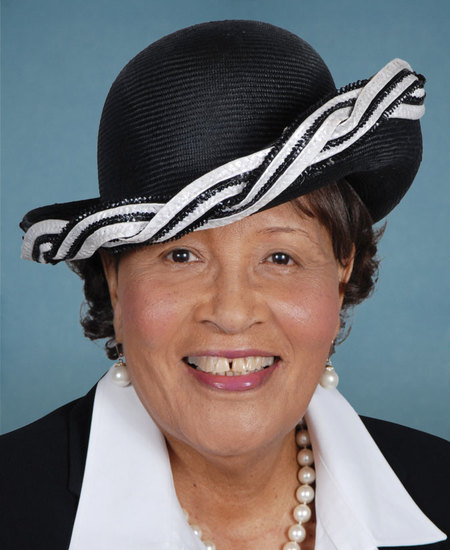
119th Congress Introduced by Alma Adams and 70 co-sponsors

HR 6182 eliminates patient cost-sharing for supplemental breast cancer screenings in high-risk individuals across all major U.S. insurance programs.

Referred to the Subcommittee on Health.
0
WeVote Research Nonpartisan
Bill Summary · HR 6182

Legislative bill overview

HR 6182 mandates that health insurance plans cover additional breast cancer screening procedures with zero out-of-pocket costs for individuals identified as having elevated breast cancer risk. The bill applies across multiple insurance categories including commercial plans, Medicare, Medicaid, TRICARE, and veterans' health programs, requiring comprehensive coverage without cost-sharing barriers.

Why is this important

Early detection of breast cancer significantly improves treatment outcomes and survival rates. Removing financial barriers to screening for high-risk individuals could increase screening rates among populations most likely to benefit, potentially catching cancers at more treatable stages. The bill addresses a documented gap where some at-risk individuals forego screening due to out-of-pocket costs despite having insurance.

Potential points of contention

  • Cost implications: Expanded screening coverage will increase insurance premiums and federal healthcare expenditures, with costs distributed across multiple government and private programs; the fiscal impact has not been quantified in available documents
  • Risk stratification criteria: The bill's reference to "individuals at greater risk" lacks specific definitions of who qualifies, creating implementation challenges and potential disputes over coverage eligibility
  • Coverage scope ambiguity: The bill references "additional breast screenings" without clarifying which specific screening modalities (supplemental ultrasound, MRI, tomosynthesis) qualify, potentially leading to inconsistent coverage standards across insurers

Compiled from official sources — confirm details with the bill’s official record.

Sign in to ask a question.