

WeVote

Bill

Bill

HR 9279

Preventing AI Censorship Act

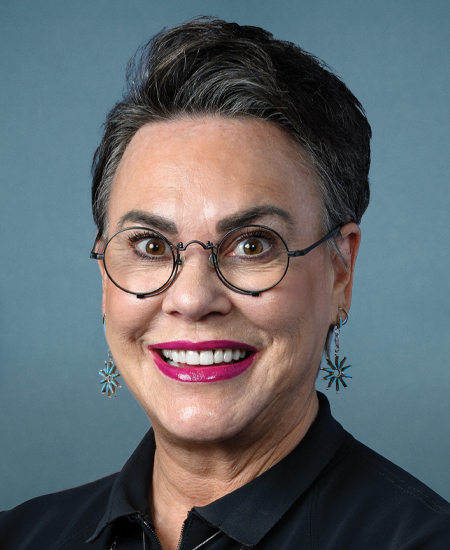
119th Congress Introduced by Harriet Hageman

The bill would allow private individuals to sue federal employees in federal court for First Amendment violations related to AI use or development.

Introduced in House
0
WeVote Research Nonpartisan
Bill Summary · HR 9279

Summary of HR 9279 (119th Congress)

Purpose and intent

  • HR 9279 proposes to create a private right of action against federal employees for violations of First Amendment rights that relate to the use or development of artificial intelligence (AI).
  • In essence, individuals would be able to sue federal employees in federal court for actions connected to AI that allegedly infringe on First Amendment protections (likely tied to freedom of speech, press, or association as interpreted under current law).

Key provisions and changes

  • Private right of action: The bill grants individuals a civil remedy against federal employees who are perceived to violate First Amendment rights in the context of AI use or AI development activities.
  • Scope of violation: While the bill text is not provided here, the core concept centers on actions by federal employees related to:
    • How AI is used (e.g., censorship, content moderation, or dissemination decisions tied to AI systems)
    • How AI is developed (e.g., training data choices, algorithmic decisions, deployment practices) that are claimed to suppress or chill protected speech.
  • Enforcement and remedies:
    • Likely avenues include monetary damages, injunctive relief, or other judicial remedies typical of private rights of action.
    • The bill may set standards for proving a First Amendment violation tied to AI activities and could specify defenses or limitations (e.g., qualified immunity, statutory safe harbors, or procedural hurdles), though exact language is not provided here.
  • Protections and limitations:
    • Potential carve-outs or limitations to protect national security, public safety, or other lawful governmental functions, as is common in First Amendment-related actions against government actors.
    • Possible cap on damages or sovereign/official immunity considerations, depending on the detailed provisions.

Who would be affected

  • Federal employees: Individuals employed by the federal government who are involved in the use or development of AI systems and whose conduct could be deemed a First Amendment violation under the act.
  • Plaintiffs: Private individuals or entities seeking to sue for violations of First Amendment rights in connection with AI-related activities.
  • Federal agencies: Agencies responsible for AI programs, policy implementation, or oversight of AI development and deployment could face increased litigation exposure.

Procedural and timeline aspects

  • Referral and introduction:
    • Introduced in the House and referred to the Committee on the Judiciary on June 11, 2026.
  • Judicial pathway:
    • If enacted, victims would pursue civil actions in federal court against individual federal employees, potentially following standard pleading and discovery processes for civil rights cases.
  • Potential timelines:
    • As with many private rights of action, policy debates would likely address statute of limitations, immunities, and pre-suit requirements (e.g., administrative remedies or notification), but specific timelines are not stated in the available information.

Context and status

  • Sponsor: Co-sponsor Harriet Hageman.
  • Current status: Referred to the House Committee on the Judiciary; no further action details provided in the available record.
  • HR 9279 represents a targeted approach to address concerns about government actors’ handling of AI in ways that could affect First Amendment rights, shifting some accountability to individual federal employees through private litigation.

If you’d like, I can tailor this summary to focus on specific audiences (e.g., policymakers, legal practitioners, or the general public) or incorporate any additional text from the bill’s full language once available.

Compiled from official sources — confirm details with the bill’s official record.

Sign in to ask a question.