

WeVote

Bill

Bill

HR 9748

Protecting Students from Worthless Degrees Act

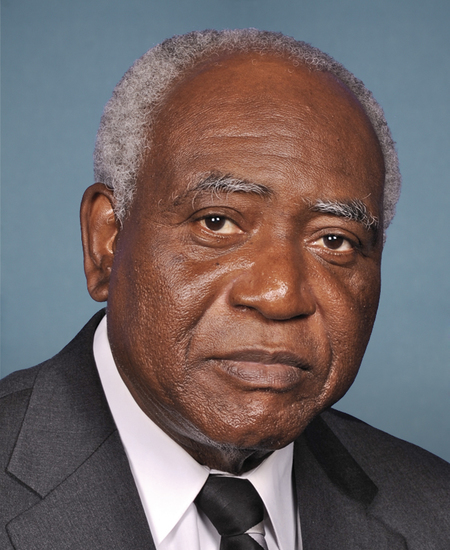
119th Congress Introduced by Danny Davis and 1 co-sponsor

Strengthen consumer protections for students with clearer disclosures, fair marketing, transparent loan terms, and enforcement to curb deceptive practices in education-related serv

Introduced in House
0
WeVote Research Nonpartisan
Bill Summary · HR 9748

Summary of HR 9748 (119th Congress)

Purpose and intent

  • HR 9748 is a bill titled “To provide consumer protections for students.” Its central aim is to strengthen protections for students in education-related transactions and to help ensure transparency and fair practices in connection with student services, financing, and related consumer experiences.

Key provisions and changes (illustrative overview)

  • Consumer protections framework: The bill proposes specific consumer protection standards applicable to students, addressing issues such as misrepresentation, unfair or deceptive practices, and potentially coercive or abusive marketing in educational settings.
  • Disclosure and transparency: Provisions likely require clearer disclosures about costs, terms, and conditions related to student services, financing, and enrollment decisions. This may include standardized disclosures to facilitate informed consumer choices.
  • Financing and repayment clarity: The bill may establish or reinforce requirements for clear information about loan terms, interest rates, repayment options, and consequences of default, with an emphasis on reducing confusion for student borrowers.
  • Prohibition or regulation of certain practices: Potential restrictions on predatory or high-pressure sales tactics, and limitations on practices deemed unfair to students in enrollment, enrollment counseling, or debt-collection contexts.
  • Enforcement and remedies: The bill would authorize or guide enforcement by relevant federal consumer protection authorities and/or education-related agencies, including possible civil penalties, fines, or other remedies for violations.
  • Protections for certain student categories: Depending on the text, there may be specific provisions protecting vulnerable student groups or ensuring accessibility in complaint processes.

Who would be affected

  • Students and prospective students: Individuals engaging with colleges, universities, vocational programs, online programs, and related educational services.
  • Educational institutions and service providers: Colleges, universities, lenders, loan servicers, private student debt collectors, and third-party vendors that market or service student-related products or services.
  • Federal and state agencies: Agencies responsible for consumer protection, education oversight, and enforcement would implement and enforce the provisions.

Procedural and timeline aspects

  • Introduction and referral: The bill was introduced in the House and referred to the Committee on Education and Workforce on July 16, 2026.
  • Legislative process: As a bill in the House, its advancement would typically involve committee consideration, potential amendments, floor debate and voting, and then passage to the Senate. If passed by the House, it would move to the Senate for consideration, where it would undergo its own committee review and voting process.
  • Sponsorship: The bill has co-sponsors Danny Davis and Raja Krishnamoorthi, indicating bipartisan sponsorship support in the House.

Additional notes

  • The available summary is based on the bill title and standard contours of consumer-protection legislation. For precise text, including exact definitions, scope, exceptions, enforcement mechanisms, funding, and implementation timelines, the bill’s full language and committee reports should be consulted.

Compiled from official sources — confirm details with the bill’s official record.

Sign in to ask a question.