

WeVote

Bill

Bill

HR 4312

SCORE Act

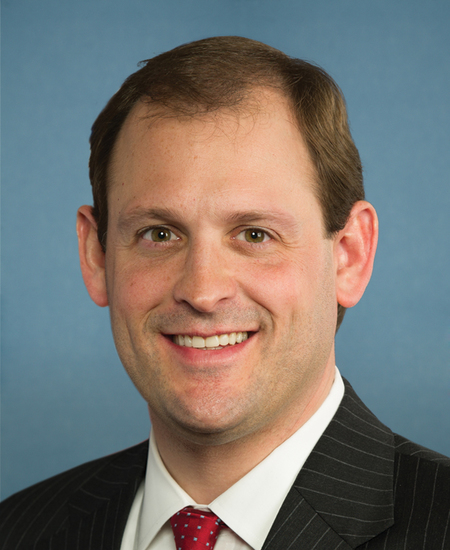
119th Congress Introduced by Andy Barr and 21 co-sponsors

HR 4312 lets student athletes profit from their NIL while protecting their college eligibility and promoting fair, consistent nationwide regulations.

Reported (Amended) by the Committee on Energy and Commerce. H. Rept. 119-270, Part I.
0
WeVote Research Nonpartisan
Bill Summary · HR 4312

Legislative bill overview

Bill HR 4312 aims to protect the name, image, and likeness (NIL) rights of student athletes to ensure they can profit from their personal brand without jeopardizing their collegiate sports eligibility. The bill seeks to create a framework that promotes fair competition in intercollegiate athletics by preventing larger programs or entities from exploiting NIL rights in ways that would create an uneven playing field. It also addresses regulations around NIL compensation to safeguard athletes from exploitation and maintain the integrity of college sports.

Why is this important

This bill is significant because it addresses the growing demand from student athletes to gain financial benefits from their NIL, something previously restricted under NCAA rules. As NIL rights have become a critical part of athlete compensation and recruiting dynamics, clear and consistent federal regulation is necessary to create fairness and prevent a chaotic patchwork of state laws. The bill’s goal of balancing athlete empowerment with competitive fairness is central to the evolving landscape of college sports, potentially making it more equitable for athletes nationwide.

Potential points of contention

  • Possible challenges in defining and enforcing restrictions on NIL deals across different schools and states.
  • The risk that NIL protections could favor athletes in high-revenue sports while leaving others with limited opportunities.
  • Concerns over increased commercialization of college sports altering the traditional amateur model fundamentally.
  • Difficulties in preventing third-party intermediaries or boosters from manipulating NIL agreements legally or covertly.
  • Potential administrative and compliance burdens on universities, particularly smaller programs with fewer resources.

Compiled from official sources — confirm details with the bill’s official record.

Sign in to ask a question.