

WeVote

Bill

Bill

HR 8397

Protecting Moms and Babies Against Climate Change Act

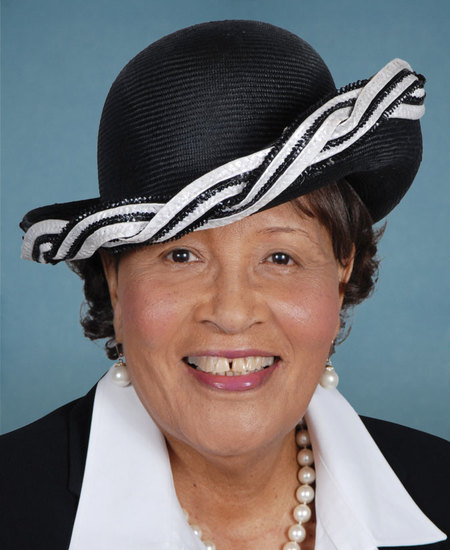
119th Congress Introduced by Alma Adams and 66 co-sponsors

The bill aims to protect maternal and infant health from climate-related risks by funding resilience, prevention, and equity-focused programs across health and related systems.

Introduced in House
0
WeVote Research Nonpartisan
Bill Summary · HR 8397

Summary of HR 8397 (119th Congress): To protect Moms and babies against climate change, and for other purposes

Note: This summary is based on the bill’s title, sponsor list, and the standard structure of similar climate-health legislation. If you need a verbatim bill text or exact section-by-section language, please provide the full bill or a link to the official text.

1) Purpose and intent

  • The bill aims to protect the health and well-being of mothers and infants in the context of climate change.
  • It seeks to address climate-related health risks that disproportionately affect pregnant people and newborns, with a focus on resilience, health equity, and access to essential services.
  • The overarching goal is to reduce adverse maternal and infant health outcomes associated with extreme heat, air pollution, and other climate-related hazards, while promoting evidence-based strategies and transitional supports.

2) Key provisions and changes (probable areas based on title and common structure)

While the exact statutory text is not provided here, bills with this framing typically include provisions such as:

  • Health and safety protections for pregnant people and infants:
    • Establish or fund programs to monitor climate-related health risks for pregnant people.
    • Guidance and support for healthcare providers on climate-related maternal and infant health outcomes.
  • Climate resilience in health settings:
    • Upgrades to healthcare facilities to withstand extreme weather, reduce heat exposure, and improve indoor air quality for patients and staff.
    • Standards for cooling, air filtration, and clean energy use in a healthcare context.
  • Public health and prevention programs:
    • Funding for community health programs that address heat stress, heat illness prevention, and safe housing.
    • Targeted outreach to populations at higher risk due to socioeconomic factors, geography, or housing conditions.
  • Maternal and infant health data and research:
    • Support for data collection, reporting, and research on climate-related effects on pregnancy and early development.
    • Creation of metrics to track outcomes and inform policy decisions.
  • Maternal/infant health equity:
    • Initiatives aimed at reducing disparities in climate-related health impacts among different racial, ethnic, and income groups.
  • Interagency coordination:
    • Enhanced coordination among health, environmental, housing, and labor agencies to address climate-related maternal and infant health issues.
  • Education and awareness:
    • Public information campaigns and clinician training regarding climate-related risks to moms and babies.

3) Who and what would be affected

  • Pregnant people and infants: Primary beneficiaries through enhanced protections, monitoring, and resources.
  • Healthcare providers and facilities: May face new compliance standards, reporting requirements, or access to funding for resilience and equipment upgrades.
  • Public health agencies: Likely to receive explicit funding, mandates for data collection, and program implementation responsibilities.
  • Communities with higher climate risks: Rural, low-income, and communities of color may benefit from targeted prevention and equity-focused measures.
  • Researchers and academics: Potential support for studies on climate impacts on maternal and child health.

4) Procedural and timeline aspects

  • Introduction and referral: Introduced in the House and referred to the House Committee on Energy and Commerce (April 21, 2026).
  • Legislative path: As a House bill, its progress will depend on committee action (markup, amendments), potential passage by the House, and then consideration in the Senate.
  • Co-sponsorship: A broad list of Democratic co-sponsors is attached, indicating bipartisan or cross-chamber interest in health, climate, and equity issues.
  • Fiscal and programmatic actions: If the bill includes funding provisions, appropriations would be an essential step, potentially requiring budget authorizations or new authorization levels.

If you provide the full text or a link to the official bill, I can deliver a precise, line-item-style summary with exact provisions, sections, and any proposed funding amounts.

Compiled from official sources — confirm details with the bill’s official record.

Sign in to ask a question.