

WeVote

Bill

Bill

HR 10127

To prohibit the use of Federal funds to conduct, support, or fund research that studies the effects of gender-related medical treatment, and for other purposes.

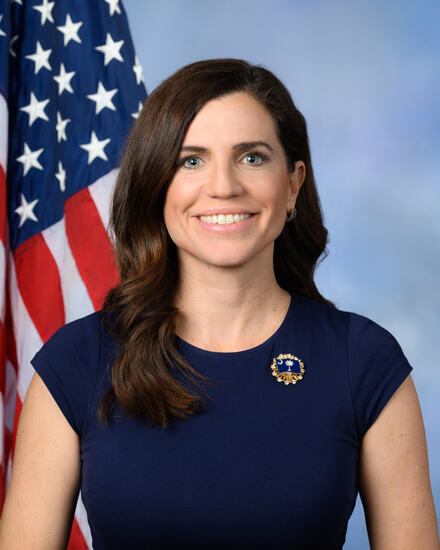
119th Congress Introduced by Nancy Mace

Prohibits federal funds from being used to conduct, support, or fund research that studies the effects of gender-related medical treatments.

Introduced in House
0
WeVote Research Nonpartisan
Bill Summary · HR 10127

Bill Overview

  • Bill: HR 10127
  • Session: 119
  • Jurisdiction: United States
  • Title: To prohibit the use of Federal funds to conduct, support, or fund research that studies the effects of gender-related medical treatment, and for other purposes.
  • Status: Referred to the House Committee on Energy and Commerce (as of 2026-08-20)
  • Primary sponsor: (Sponor) Nancy Mace (co-sponsor)

Purpose and Intent

The bill seeks to restrict the use of Federal funds for research that studies the effects of gender-related medical treatment. In practical terms, it would prohibit federal funding from being used to conduct, support, or finance research that analyzes or evaluates the outcomes, risks, benefits, or effects of medical interventions related to gender-affirming care or other gender-related treatments.

Key Provisions (as described)

  • Prohibition on Federal Funding: No Federal funds may be used to conduct, support, or fund research that studies the effects of gender-related medical treatments.
  • Scope of Research: The restriction likely covers research activities, grants, contracts, and other funding mechanisms that would examine the medical treatments associated with gender transitions or related gender-specific medical interventions. (Note: The exact definitions and scope would be clarified in the text of the bill; the summary here reflects the described purpose.)
  • Related Provisions: The bill may include additional measures typical for funding restrictions, such as permitting existing grant obligations to wind down under certain conditions or specifying oversight mechanisms. The precise language would be in the bill’s text.

Who Would Be Affected

  • Researchers and institutions applying for or currently receiving Federal funds for studies on gender-related medical treatments.
  • Federal agencies and programs that administer research grants and contracts (e.g., agencies that administer medical or health research funding).
  • Potentially, entities seeking to study outcomes, risks, or effectiveness of gender-affirming care or related medical interventions would be constrained in their use of Federal dollars.

Procedural and Timeline Aspects

  • Introduction: The bill was introduced in the House.
  • Committee Action: Referred to the House Committee on Energy and Commerce (2026-08-20).
  • Next Steps: If it advances, the committee would review, amend, and vote on the bill, after which it could move to the full House for debate and a vote. If approved by the House, it would move to the Senate for consideration (subject to Senate rules and procedures). The exact timetable would depend on legislative priorities and action by the committees and chambers.

Potential Implications

  • Research Landscape: Could limit federal financing for studies evaluating gender-related medical treatments, potentially shifting research funding toward non-federal sources or toward other topics.
  • Policy and Public Health: The bill’s impact would depend on the balance between restricting funding and the availability of alternative funding streams (state, private, or philanthropic) for related research.
  • Legal and Fiscal: The text would specify any carve-outs, definitions, or exceptions (e.g., for basic science, oversight, or non-therapeutic studies). Fiscal implications would depend on the scope of prohibited funding and transition provisions.

Notes

  • This summary reflects the bill’s stated purpose and the information available in the action history. For full understanding, consult the bill’s text to review definitions, scope, exceptions, and any accompanying committee reports.

Compiled from official sources — confirm details with the bill’s official record.

Sign in to ask a question.