

WeVote

Bill

Bill

HR 6762

To prohibit the Secretary of Homeland Security from implementing any policy that would require the personal approval of the Secretary of any expenditure of the Federal Emergency Management Agency of $100,000 or more, and for other purposes.

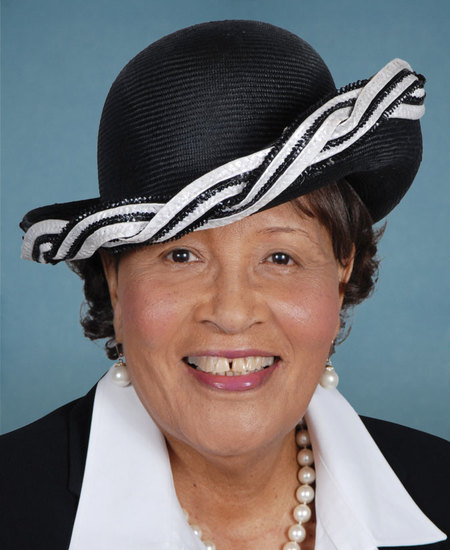
119th Congress Introduced by Alma Adams and 3 co-sponsors

Prohibits DHS from requiring the Secretary's personal sign-off for FEMA expenditures of $100,000+, shifting large disbursement approvals to standard DHS/FEMA processes.

Introduced in House
0
WeVote Research Nonpartisan
Bill Summary · HR 6762

Summary of HR 6762 (Introduced Dec 16, 2025)

Purpose

HR 6762 seeks to limit the Department of Homeland Security’s oversight of certain Federal Emergency Management Agency (FEMA) expenditures by prohibiting the Secretary of Homeland Security from requiring personal approval for every expenditure of FEMA at or above $100,000. In other words, it would block a policy that mandates the Secretary’s direct, individual sign-off for large FEMA payments, shifting decision-making away from such personal approvals and toward standard departmental or internal control processes.

Key Provisions

  • Prohibition on personal approval: The Secretary of Homeland Security would be barred from implementing any policy that requires personal, individual approval by the Secretary for FEMA expenditures of $100,000 or more.
  • Expenditure threshold: The trigger for the prohibition is expenditures of FEMA equal to or greater than $100,000.
  • Scope: Applies to policies or procedures implemented by DHS related to FEMA financial approvals. The bill’s language indicates a focus specifically on the role of the Secretary in approving large expenditures.
  • Other purposes: The bill title notes provisions related to “other purposes,” which commonly signals potential additional, related objectives or amendments ancillary to the main provision.

Who/What Would Be Affected

  • FEMA and DHS financial governance: Agencies and offices responsible for approving and disbursing FEMA funds would operate under standard, non-personal approval processes for large expenditures, rather than relying on the Secretary’s direct sign-off for those amounts.
  • Federal program stakeholders: Governments, contractors, and recipients relying on FEMA-funded programs could experience changes in the approval workflow and timelines if the policy shift alters the pace or rigor of large disbursements.
  • Oversight and accountability mechanisms: Internal controls, audit trails, and interagency review processes related to large FEMA expenditures would be implicated, potentially distributing authority more broadly within DHS or FEMA.

Procedural and Timeline Aspects

  • Introduction and referral: Introduced in the U.S. House on December 16, 2025.
  • Committee action: Referred to the House Committee on Transportation and Infrastructure on December 16, 2025.
  • Current status: As of introduction, the bill has not yet advanced to a floor vote. No amendments or fiscal notes are provided in the summary.

Potential Impacts and Considerations

  • If enacted, the bill would reduce the Secretary’s personal role in approving large FEMA expenditures, potentially accelerating or standardizing large disbursement approvals through established processes.
  • The change could affect accountability dynamics, training requirements, and internal control documentation for FEMA financial operations.
  • Administrative and compliance implications would depend on how DHS defines and implements “policies” governing expenditure approvals and how such policies interact with existing budgeting and procurement rules.

Next Steps for Readers

  • Monitor House Committee on Transportation and Infrastructure activity for potential markup, amendments, or a floor vote.
  • Review any fiscal impact statements or analyses accompanying the bill as they become available.
  • Consider how the proposed change could affect FEMA grant timelines, disaster response funding, and procurement processes.

Compiled from official sources — confirm details with the bill’s official record.

Sign in to ask a question.