

WeVote

Bill

Bill

HR 6175

To prohibit the provision of Federal funding to States and local governments that permit cashless bail, and for other purposes.

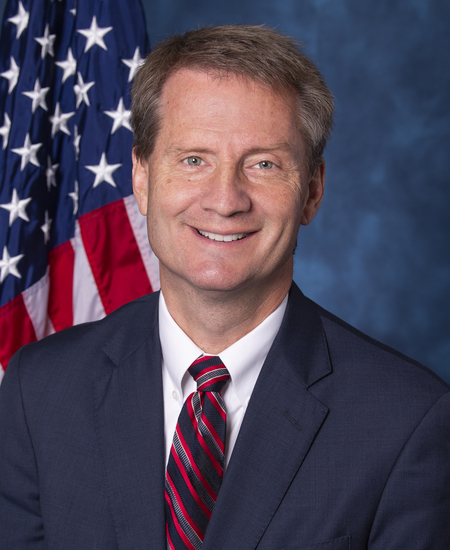
119th Congress Introduced by Tim Burchett

Bill withholds federal funding from states and localities permitting cashless bail, using financial leverage to enforce uniform pretrial detention policies nationwide.

Introduced in House
0
WeVote Research Nonpartisan
Bill Summary · HR 6175

Legislative bill overview

HR 6175 would condition federal funding to states and local governments on their prohibition of cashless bail systems. The bill would effectively penalize jurisdictions that allow defendants to be released pretrial without paying bail by withholding federal money. This represents federal leverage over criminal justice procedures traditionally managed at the state and local level.

Why is this important

Bail policy directly affects who gets detained pretrial and who goes free, with significant consequences for employment, housing, and case outcomes. Federal funding restrictions could force major changes in criminal justice systems across the country, particularly in urban areas that have adopted cashless bail reforms. The bill raises fundamental questions about federalism and whether Washington should control local bail practices through financial pressure.

Potential points of contention

  • Federalism concerns: Criminal justice is traditionally state/local authority; using federal funding as leverage to dictate bail procedures represents significant federal overreach
  • Policy disagreement on cashless bail: Supporters see it as reducing wealth-based detention; opponents argue it increases crime and public safety risks—the bill assumes one side of this contested debate
  • Funding coercion mechanism: Withholding federal dollars could harm unrelated services (education, infrastructure) in targeted jurisdictions, raising fairness questions beyond the bail issue itself

Compiled from official sources — confirm details with the bill’s official record.

Sign in to ask a question.