

WeVote

Bill

Bill

HR 10135

Not In My Barn Yard Act

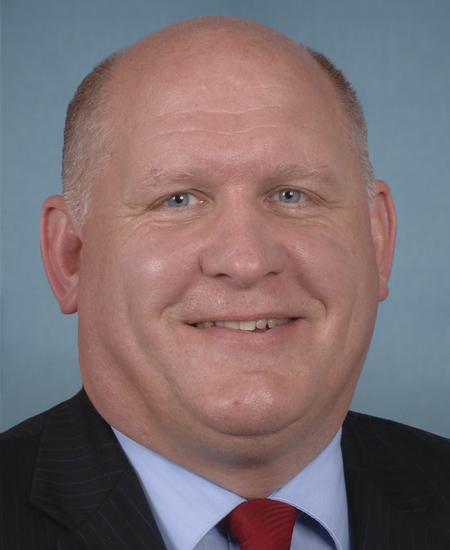
119th Congress Introduced by G.T. Thompson

Prohibits government use of eminent domain to take agricultural land, shielding farms from compulsory acquisitions for public use or development.

Introduced in House
0
WeVote Research Nonpartisan
Bill Summary · HR 10135

Bill Overview

  • Bill: HR 10135
  • Session: 119
  • Jurisdiction: United States
  • Title: To prohibit the exercise of eminent domain over agricultural land, and for other purposes
  • Status: Introduced and referred to the House Judiciary Committee on 2026-08-20
  • Sponsors: Co-sponsor G. T. Thompson

Purpose and Intent

The bill aims to prevent the government (federal, and potentially state/local authorities acting under federal authorization) from exercising eminent domain authority to acquire agricultural land. In short, it seeks to shield farmland from compulsory acquisition through eminent domain, addressing concerns about impacts on farming operations, land use, and private property rights within the agricultural sector. The “and for other purposes” clause typically signals additional related objectives or clarifications, which would be detailed in the bill’s text.

Key Provisions (as indicated by title and typical structure)

  • Prohibition on eminent domain: The core provision would likely bar the use of eminent domain to acquire agricultural land for public use, economic development, infrastructure projects, or other government actions.
  • Definitions: The bill would define “agricultural land” (e.g., land used for growing crops, raising livestock, or other farming activities) and specify what constitutes eminent domain actions covered by the measure.
  • Scope and exceptions: Potential carve-outs or limited exceptions (for example, eminent domain in cases of imminent public safety threats, certain national security needs, or specific federal programs) would be addressed, though exact language would be in the bill text.
  • Enforcement and penalties: Provisions describing how the prohibition would be enforced and any penalties for violations by government entities or officials.
  • Related provisions: “Other purposes” could include related measures such as protections for agricultural easements, rights of landowners during condemnation proceedings, or procedures to challenge improper acquisitions.

Affected Parties

  • Primary: Agricultural landowners and operators seeking protection from government takings of farmland.
  • Government entities: Federal agencies, as well as any entities or programs authorized to exercise eminent domain, could be restricted or required to adjust practices.
  • Stakeholders in agriculture: Farm organizations, rural communities, lenders, and agribusinesses may be impacted by changes to land acquisition processes.

Procedural and Timeline Aspects

  • Introduction: The bill was introduced on 2026-08-20.
  • Referral: Referred to the House Judiciary Committee on the same date.
  • Next steps: The committee would review, potentially mark up, and vote to advance the bill to the full House. If approved, it could proceed to the Senate or face further legislative action, subject to sponsorship and chamber rules.

Potential Implications

  • Land rights and market effects: By restricting eminent domain for agricultural land, the bill could reduce government ability to assemble land for projects that require broad tracts of farmland, potentially affecting infrastructure planning and public works.
  • Legal and administrative impact: Agencies would need to adjust eminent domain practices, with increased emphasis on voluntary transactions and compensation standards consistent with any new restrictions.
  • Policy signals: The measure reflects a legislative preference for stronger protections of private agricultural property and greater limitations on compulsory land acquisitions in farming areas.

Note: For a precise understanding of all provisions, definitions, exceptions, and procedural requirements, the full text of HR 10135 would be necessary. The summary above is based on the bill’s title, sponsorship, and standard legislative drafting patterns.

Compiled from official sources — confirm details with the bill’s official record.

Sign in to ask a question.