

WeVote

Bill

Bill

HR 9346

USDA Field Office Stability Act

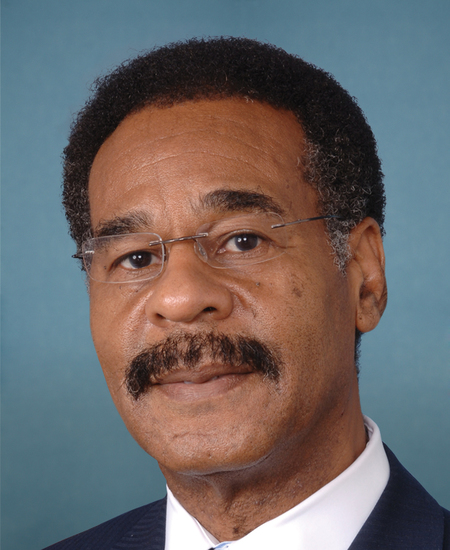
119th Congress Introduced by Emanuel Cleaver and 3 co-sponsors

The bill would prohibit the Department of Agriculture from closing or relocating certain offices, safeguarding in-person USDA presence and services.

Introduced in House
0
WeVote Research Nonpartisan
Bill Summary · HR 9346

Overview

HR 9346 (119th Congress) aims to prohibit the closure or relocation of certain Department of Agriculture (USDA) offices and to address related matters. Introduced in the House and referred to the House Committee on Agriculture, the bill has three named co-sponsors: Derek Schmidt, Sharice Davids, and Gabe Vasquez.

Purpose and Intent

  • The central objective is to prevent the closure or relocation of specific USDA offices. The bill seeks to ensure continuity of USDA presence and operations in designated locations and to counteract any plans to shutter or move affected offices.

Key Provisions (as described by the bill’s title and summary)

  • Prohibition on closures/relocations: The primary substantive provision would bar the Department of Agriculture from closing or relocating certain offices. The bill would specify which offices are covered (based on criteria likely tied to mission, service area, or geographic representation), and set conditions under which closures or relocations would be impermissible.
  • Related purposes: The bill may include additional sections to address administrative procedures, reporting requirements, or criteria for exceptions, ensuring that any proposed changes are subjected to stricter scrutiny.
  • Oversight and implementation: Provisions may establish oversight mechanisms, timelines, or guidance to ensure USDA compliance with the prohibition, including potential review by the House Agriculture Committee or other relevant bodies.

Note: The exact procedural details, definitions of “certain USDA offices,” and any carve-outs or exceptions would be specified in the bill text. The summary above reflects the bill’s stated aim to prohibit closures/relocations and to address related concerns.

Affected Parties and Impacts

  • Primary impact: USDA and its personnel, operations, and customers served by the affected offices. The bill would affect decision-making processes regarding office locations and could constrain the department’s ability to consolidate, reorganize, or relocate facilities.
  • Stakeholders likely to be involved: Rural communities, farmers, ranchers, extension services, agricultural researchers, and local/state government partners who rely on USDA office presence for services, outreach, and support.

Procedural and Timeline Aspects

  • Introduction and referral: The bill was introduced in the House and referred to the House Committee on Agriculture on June 18, 2026.
  • Sponsorship: The bill lists three co-sponsors: Derek Schmidt, Sharice Davids, and Gabe Vasquez, indicating bipartisan and cross-regional support.
  • Next steps: If advanced, the committee could conduct markup, report the bill to the floor, and, if approved, proceed to consideration by the full House. The timeline would depend on committee action, floor scheduling, and potential amendments.

Practical Considerations

  • Policy tension: The prohibition could limit the USDA’s ability to optimize its footprint, potentially affecting efficiency, cost-saving measures, or modernization plans.
  • Local impact: Communities that benefit from in-person USDA services could gain stability in service access, while others might raise concerns about future flexibility.
  • Budgetary implications: The bill’s text would clarify whether there are any funding or reporting requirements associated with maintaining offices, though the primary focus is prohibitory.

If you’d like, I can tailor this summary to specific audiences (e.g., policymakers, farmers, local officials) or extract and highlight exact definitions and exemptions once the full bill text is available.

Compiled from official sources — confirm details with the bill’s official record.

Sign in to ask a question.