
WeVote

Bill

Bill

HR 8573

STOP Act

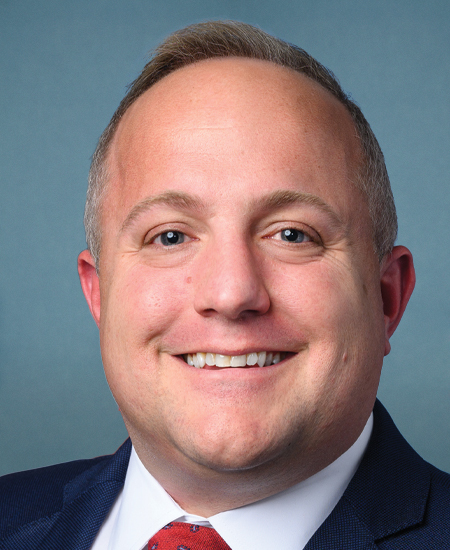
119th Congress Introduced by Russell Fry and 3 co-sponsors

Prohibits gender transition procedures on minors and authorizes HHS to impose civil penalties on violators.

Introduced in House
0
WeVote Research Nonpartisan
Bill Summary · HR 8573

Summary of HR 8573 (119th Congress)

Note: This summary reflects the information provided in the bill citation and action history. It does not include any updated text beyond what is described here and should be cross-checked with the official bill text for precise provisions.

Basic information

  • Bill: HR 8573
  • Session: 119th Congress
  • Jurisdiction: United States
  • Title (as provided): To prohibit gender transition procedures on minors, to authorize the Secretary of Health and Human Services to impose civil penalties on persons who perform gender transition procedures on minors, and for other purposes.
  • Introduced: April 29, 2026
  • Introduced by: (Not specified in the provided data)
  • Co-sponsors: Diana Harshbarger (R-TN), Mary Miller (R-IL)
  • Action history: Referred to the House Committees on Energy and Commerce and on the Judiciary (April 29, 2026)

Purpose and intent

  • The bill aims to prohibit gender transition procedures on minors.
  • It also seeks to authorize civil penalties to be imposed by the Secretary of Health and Human Services on individuals or entities that perform gender transition procedures on minors.
  • The language implies an overarching objective to regulate or restrict medical interventions related to gender transitioning for individuals under the age of 18.

Key provisions and changes (as described)

  • Prohibition on procedures for minors: The bill would make it unlawful to perform gender transition procedures on individuals under 18. This category typically includes medical interventions such as puberty blockers, hormones, surgical procedures, or other related treatments, depending on the precise statutory definitions in the bill text.
  • Civil penalties administered by HHS: The Secretary of Health and Human Services would be given authority to impose civil penalties on violators who perform gender transition procedures on minors. Penalty details (such as amounts, methods of assessment, caps, and enforcement mechanisms) would be specified in the bill's text.
  • Administrative and enforcement framework: The bill would establish a mechanism for enforcement through federal channels, likely involving regulatory guidance, complaint processes, and potential actions against medical professionals, clinics, healthcare facilities, or other entities engaging in prohibited procedures.
  • “Other purposes” clause: As with many placeholders in bill titles, the bill may contain additional provisions related to health care regulation, reporting, or related protections or definitions necessary to implement the prohibition and penalties.

Who or what would be affected

  • Medical professionals and facilities: Providers who perform any gender transition procedures on minors could be subject to penalties, professional discipline, or other enforcement actions under the bill.
  • Hospitals and clinics: Institutions that offer gender transition-related care to minors may be impacted due to compliance obligations and potential penalties for violations.
  • Minors and families: Individuals under 18 seeking gender transition-related care would be directly affected by the prohibition on procedures.
  • Federal health agencies: The Department of Health and Human Services would administer penalties and oversee enforcement under the authorizing provisions.

Procedural and timeline aspects

  • Referral to committees: The bill was referred on April 29, 2026, to:
    • Committee on Energy and Commerce
    • Committee on the Judiciary
  • Next steps (as typical for this process): Committee hearings, potential amendments, and passage by the House before moving to the Senate. If enacted, the bill would require presidential approval and publication of final statutory text and implementing regulations.

Potential considerations and context (non-exhaustive)

  • The bill reflects a policy stance on gender-affirming care for minors and creates a federal framework for prohibition and penalties.
  • It may intersect with medical ethics, state practice regulations, and existing statutes regarding child welfare and informed consent.
  • Enforcement details (e.g., what counts as a “gender transition procedure,” acceptable medical exceptions, or dispute resolution) would be defined in the bill’s text and associated regulations.

If you’d like, I can incorporate the exact statutory definitions, penalties, and enforcement timelines from the bill text if you provide the full text or specify the sections to analyze.

Compiled from official sources — confirm details with the bill’s official record.

Sign in to ask a question.
