

WeVote

Bill

Bill

HR 6114

To prohibit funds made available to the Department of Health and Human Services by previous Appropriations Acts from being used for any activity that makes Medicare Advantage the default under the Medicare program.

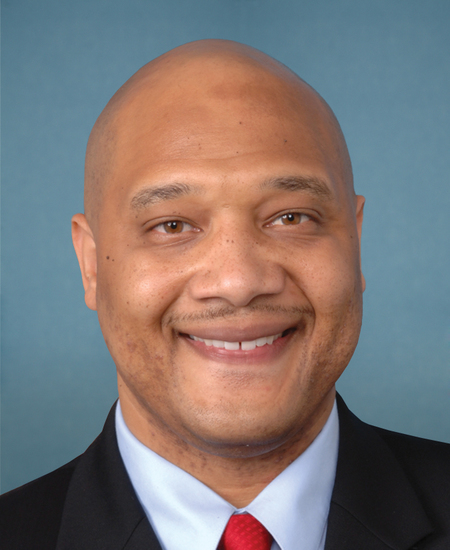
119th Congress Introduced by André Carson and 15 co-sponsors

Prohibits HHS from using prior appropriations to make Medicare Advantage the default enrollment option instead of traditional Medicare.

Introduced in House
0
WeVote Research Nonpartisan
Bill Summary · HR 6114

Legislative bill overview

HR 6114 would prohibit the Department of Health and Human Services (HHS) from using previously appropriated funds to implement policies that would make Medicare Advantage the default enrollment option for Medicare beneficiaries. Currently, traditional Medicare (fee-for-service) is the default, with Medicare Advantage as an opt-in alternative. This bill aims to prevent any regulatory or administrative changes that would flip that default structure.

Why is this important

Medicare Advantage enrollment has grown significantly and now covers roughly 50% of Medicare beneficiaries, making this debate practically consequential. Changing the default would likely shift hundreds of thousands of additional beneficiaries into Medicare Advantage plans, affecting healthcare access, costs, and choice for seniors. The bill reflects a fundamental disagreement about which program structure better serves Medicare beneficiaries and taxpayers.

Potential points of contention

  • Program philosophy clash: Supporters view traditional Medicare as more reliable and comprehensive; critics argue Medicare Advantage offers better care coordination and cost efficiency
  • Default bias in policy: Economists recognize defaults dramatically influence enrollment, so both sides view this as a critical structural issue rather than a neutral technical change
  • Administrative feasibility: Questions about whether and how HHS might attempt such a change, and whether this prohibition is necessary or preemptive
  • Beneficiary impact uncertainty: Disagreement over whether Medicare Advantage or traditional Medicare better serves different demographic groups and health conditions

Compiled from official sources — confirm details with the bill’s official record.

Sign in to ask a question.