Summary of HR 8895 (119th Congress)
Purpose and intent
HR 8895 aims to prohibit food retailers and third-party delivery service providers from using certain technologies that rely on consumer personal data to engage in dynamic pricing. In short, the bill would ban practices where prices presented to individual customers are adjusted in real time based on the consumer’s personal data, with the goal of preventing personalized price discrimination in the food retail and delivery sector.
Key provisions and changes
- Prohibited practices:
- Food retailers and third-party delivery platforms may not use technology that tailors prices for individual consumers by analyzing personal data (e.g., purchase history, location, demographics) to determine dynamic, personalized pricing.
- Scope of covered entities:
- Entities engaged in operating food retail platforms or third-party food delivery services that set or present prices to consumers.
- Treatment of data and pricing:
- The bill targets dynamic pricing mechanisms tied to personal data, requiring pricing to be non-discriminatory with respect to individual consumer data inputs.
- Enforcement and remedies (typical elements anticipated, exact language not provided in summary):
- Possible enforcement provisions could include penalties, consumer protection remedies, or oversight by a relevant regulatory agency, aligned with existing consumer protection laws.
- Clarifications (examples of what the bill may address):
- Distinction between dynamic pricing that is transparent and uniform versus personalized pricing.
- Prohibitions that apply regardless of whether the price discrimination is explicit or implicit.
Who would be affected
- Food retailers that operate brick-and-mortar stores with dynamic pricing tied to consumer data (if they use such pricing tech).
- Third-party meal/food delivery platforms and apps that adjust delivery or item prices based on user data.
- Potentially any vendors or technology providers supplying dynamic pricing capabilities to these retailers or platforms.
Procedural and timeline aspects
- Introduction: The bill was introduced in the House.
- Referral: As of the latest action, HR 8895 has been referred to the House Committee on Energy and Commerce (May 19, 2026).
- Next steps (typical process):
- Committee review, potential markups, and reporting.
- Floor consideration by the full House, passage or defeat.
- If enacted, would move to the Senate and face a similar committee process, negotiation, and potential presidential action.
Additional context
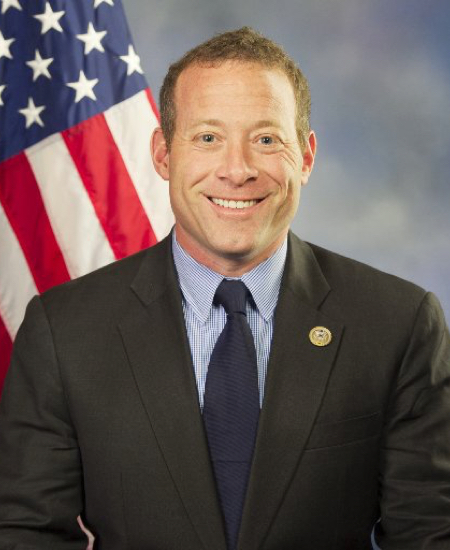
- Notable sponsors: Co-sponsors include Rep. Mike Lawler and Rep. Josh Gottheimer. Their sponsorship signals support from members who may prioritize consumer protection and fair pricing practices in digital commerce.
- The bill addresses concerns about personalized pricing practices in the food retail and delivery sectors, aiming to ensure pricing is not systematically tailored to individual consumers based on their personal data.
If you’d like, I can tailor this summary to specific audiences (policy analysts, consumer advocates, industry stakeholders) or add a comparison with existing consumer protection statutes and similar bills.




Start the Conversation
Be the first to share your thoughts on this petition. Your voice matters!