

WeVote

Bill

Bill

HB 1463

TO PROHIBIT DISCLOSURE OF NEUROPSYCHOLOGICAL OR PSYCHOLOGICAL TEST MATERIALS OR TEST DATA.

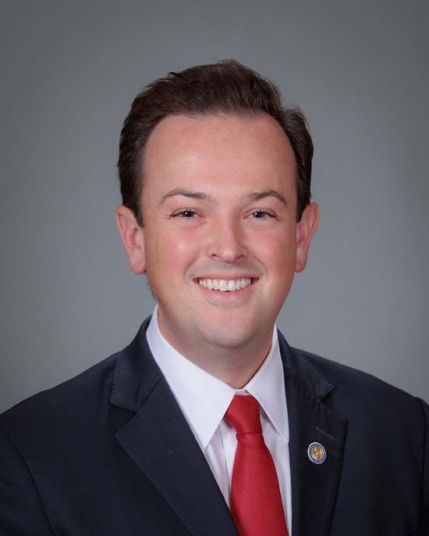
2025 Regular Session Introduced by Ashley Hudson and 2 co-sponsors

HB 1463 aimed to protect the confidentiality of psychological test materials and data in Arkansas, limiting access to enhance privacy for individuals undergoing evaluations.

Died in House Committee at Sine Die adjournment.
0
WeVote Research Nonpartisan
Bill Summary · HB 1463

Summary of House Bill 1463

Bill Number: HB 1463
Title: To Prohibit Disclosure of Neuropsychological or Psychological Test Materials or Test Data
Status: Died in House Committee at Sine Die adjournment
Introduced: February 12, 2025
Classification: Bill

Purpose and Intent

House Bill 1463 aimed to establish strict regulations regarding the disclosure of neuropsychological and psychological test materials and data. The primary intent of the bill was to protect the confidentiality and integrity of psychological evaluations, ensuring that sensitive information remains secure and is not disclosed inappropriately.

Key Provisions

The bill proposed several significant changes to the Arkansas Code, specifically adding a new section (17-97-106) to Title 17, Chapter 97. Key provisions included:

  1. Definitions:

    • Neuropsychological Evaluation: A method for assessing cognitive, behavioral, and emotional functioning.
    • Test Data: Includes raw scores, responses to test questions, and notes from psychologists.
    • Test Materials: Encompasses manuals, instruments, and protocols used in evaluations.
  2. Disclosure Restrictions:

    • Neuropsychological and psychological test materials and data would not be disclosed to anyone, including the individual being tested, except under specific circumstances.
    • Psychologists could provide expert testimony or reports based on their review of the test materials without disclosing the materials themselves.
  3. Access for Qualified Professionals:

    • Individuals undergoing evaluations could designate a qualified neuropsychologist or psychologist to access their test records for interpretation.
  4. Third-Party Observers:

    • Generally, no third-party observers would be allowed during the administration of tests, with exceptions for specific situations (e.g., accommodations under the Americans with Disabilities Act).
  5. Retention of Investigatory Powers:

    • The Attorney General’s office and relevant medical and psychology boards would retain their investigatory powers, allowing them to access records that would typically be protected under this bill.

Impact

If enacted, HB 1463 would have significantly impacted the practice of neuropsychology and psychology in Arkansas by:
- Enhancing the confidentiality of test results and materials.
- Limiting access to sensitive psychological data, thereby protecting individuals' privacy.
- Potentially affecting how psychological evaluations are conducted, particularly regarding the presence of third-party observers.

Legislative Timeline

  • February 12, 2025: Bill filed and read for the first time.
  • February 24, 2025:
    • Bill placed on second reading for amendment.
    • Amendment No. 1 adopted and the bill ordered engrossed.
  • May 5, 2025: Bill died in House Committee at Sine Die adjournment.

In summary, while HB 1463 sought to strengthen the confidentiality of psychological evaluations, it ultimately did not progress beyond the committee stage.

Compiled from official sources — confirm details with the bill’s official record.

Sign in to ask a question.