

WeVote

Bill

Bill

HR 9812

Protecting Mail-In Voting Act of 2026

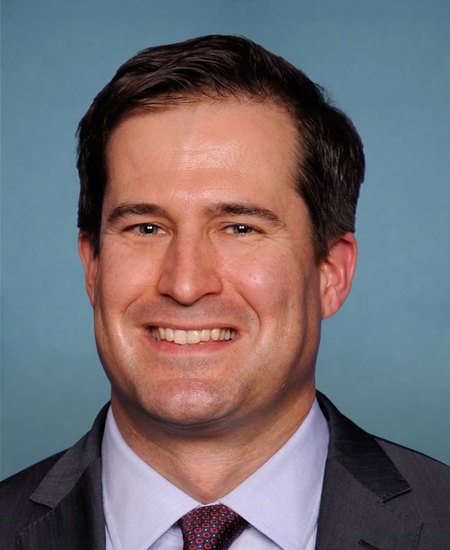
119th Congress Introduced by Seth Moulton

Prohibits USPS from making certain changes to regulations governing the transmission of mail-in and absentee ballots.

Introduced in House
0
WeVote Research Nonpartisan
Bill Summary · HR 9812

Bill Overview

HR 9812, introduced in the 119th Congress and referred to the House Committee on Oversight and Government Reform, seeks to prohibit certain modifications to United States Postal Service (USPS) regulations related to the transmission of mail-in or absentee ballots for elections, and for other purposes. The bill has at least one identified co-sponsor: Representative Seth Moulton.

Purpose and Intent

  • The core aim is to restrict USPS regulatory changes that affect how mail-in or absentee ballots are transmitted for elections.
  • By prohibiting certain modifications, the bill intends to preserve or limit changes to the process and rules governing the mailing and handling of ballots through the postal system.
  • The broader goal appears to be ensuring ballot transmission reliability and access by preserving existing USPS processes or blocking changes that could alter timelines, costs, or procedures for sending or returning ballots.

Key Provisions and Changes (as described)

  • Prohibition on Modifying USPS Regulations: The bill would bar the USPS from making certain changes to its regulations that govern the transmission of mail-in or absentee ballots. Specific text of prohibited modifications is not provided in the summary, but the focus is on changes affecting how ballots are mailed, processed, or returned.
  • Scope “and for other purposes”: While the central provision targets ballot-related regulatory changes, the bill may include additional related provisions typical of “and for other purposes” language. The exact ancillary provisions are not detailed in the summary provided.

Who and What Is Affected

  • United States Postal Service: Any proposed regulatory modifications related to mail-in or absentee ballots would be restricted under this bill.
  • Voters who rely on mail-in or absentee ballots: Indirectly affected, as the bill aims to preserve or constrain how ballots can be transmitted via USPS.
  • Election administration stakeholders: States, local election officials, and mail service recipients involved in ballot mailing and return processes may experience changes in regulatory flexibility or predictability depending on how the prohibitions are implemented.

Procedural and Timeline Considerations

  • Introduction and Referral: The bill was introduced in the House and referred to the Committee on Oversight and Government Reform on July 21, 2026.
  • Status: As of the information provided, the bill is at the committee referral stage. There is no stated floor action or passage date.
  • Timeline Implications: If enacted, the prohibitions would take effect according to the bill’s text and any implementing regulations or timelines established in committee or the floor process. Details on effective dates or phase-in periods are not specified in the summary.

Potential Impacts (What to Watch)

  • Access and Reliability: If the prohibited modifications would have limited USPS flexibility to adjust ballot transmission rules in response to operational challenges, the bill could affect how ballots are mailed back or received during elections.
  • Administrative Burden: States and election offices may need to adapt to the constraints imposed by the prohibition, particularly if USPS regulatory changes were previously used to address processing times, mail-in ballot return windows, or volume surges.
  • Legal and Constitutional Considerations: The measure intersects with election administration authority and USPS regulatory powers; stakeholders may assess whether prohibiting certain modifications appropriately balances efficiency, security, and accessibility.

Notes

  • The provided description does not include the bill’s exact language, definitions, or the specific modifications being prohibited. For a precise understanding, consult the bill text, sponsor statements, and committee analysis once available.

Compiled from official sources — confirm details with the bill’s official record.

Sign in to ask a question.